
The First Artist: Lua and the Birth of Ink Society 002
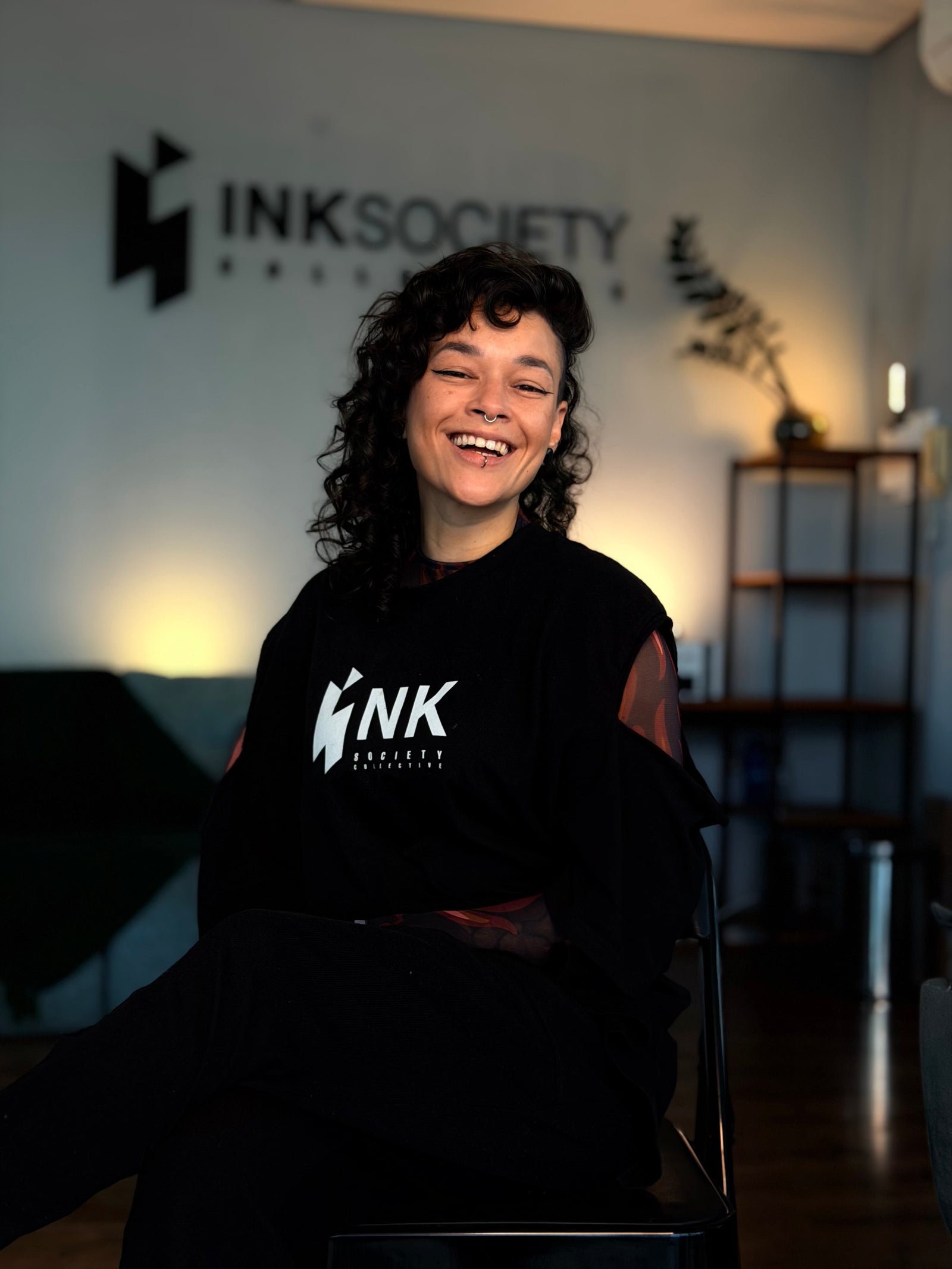
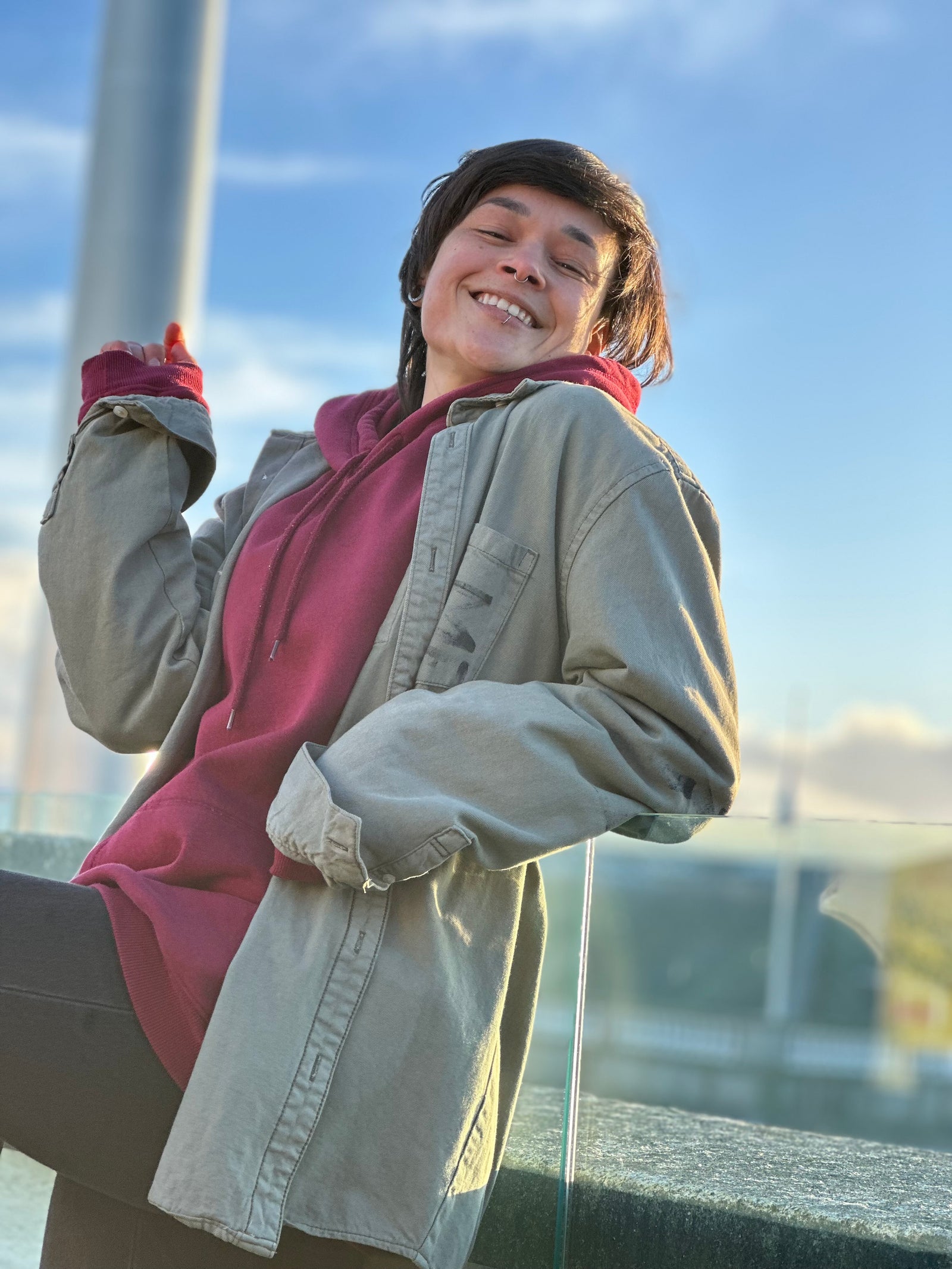
Lua was the first artist to join Ink Society in Dublin. Years later, as both tattoo artist and leader, she carried the culture of the collective back to Brazil and helped build Ink Society 002 in the Florianópolis region.
Ink Society did not become a collective because someone wrote the word on a wall.
It became a collective when another artist walked into the room.
Before there was a second unit, before Florianópolis entered the story, before Ink Society became something that could exist beyond Dublin, there was a rooftop studio, one artist working alone, and Lua arriving with a suitcase, two years of tattooing behind her, and the feeling that she had not yet found the place where her work could fully exist.
“I think every artist has at least one leap of courage in life. Ireland was the biggest one for me so far.”
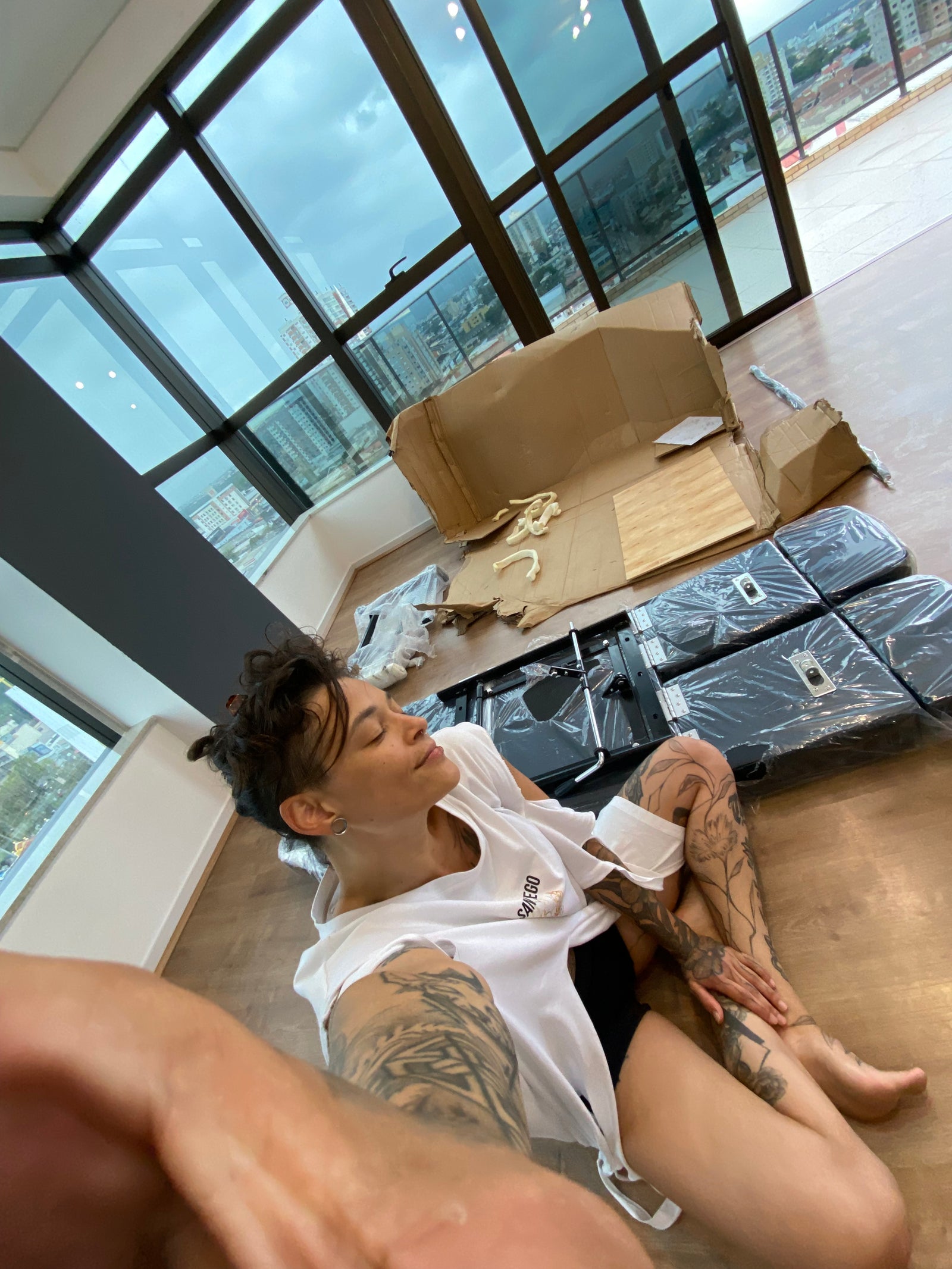
She had left Brazil at a moment of frustration and uncertainty. Something in her life no longer felt large enough for who she was becoming. So she started again in another country, carrying what she describes as “a whole life inside one suitcase” and a dream that, at the time, sounded simple: to find her place as an artist.
“What I didn’t know was that I was actually going there to build that place.”
[ISC_MEDIA:image-01]
The Artist Before the Role
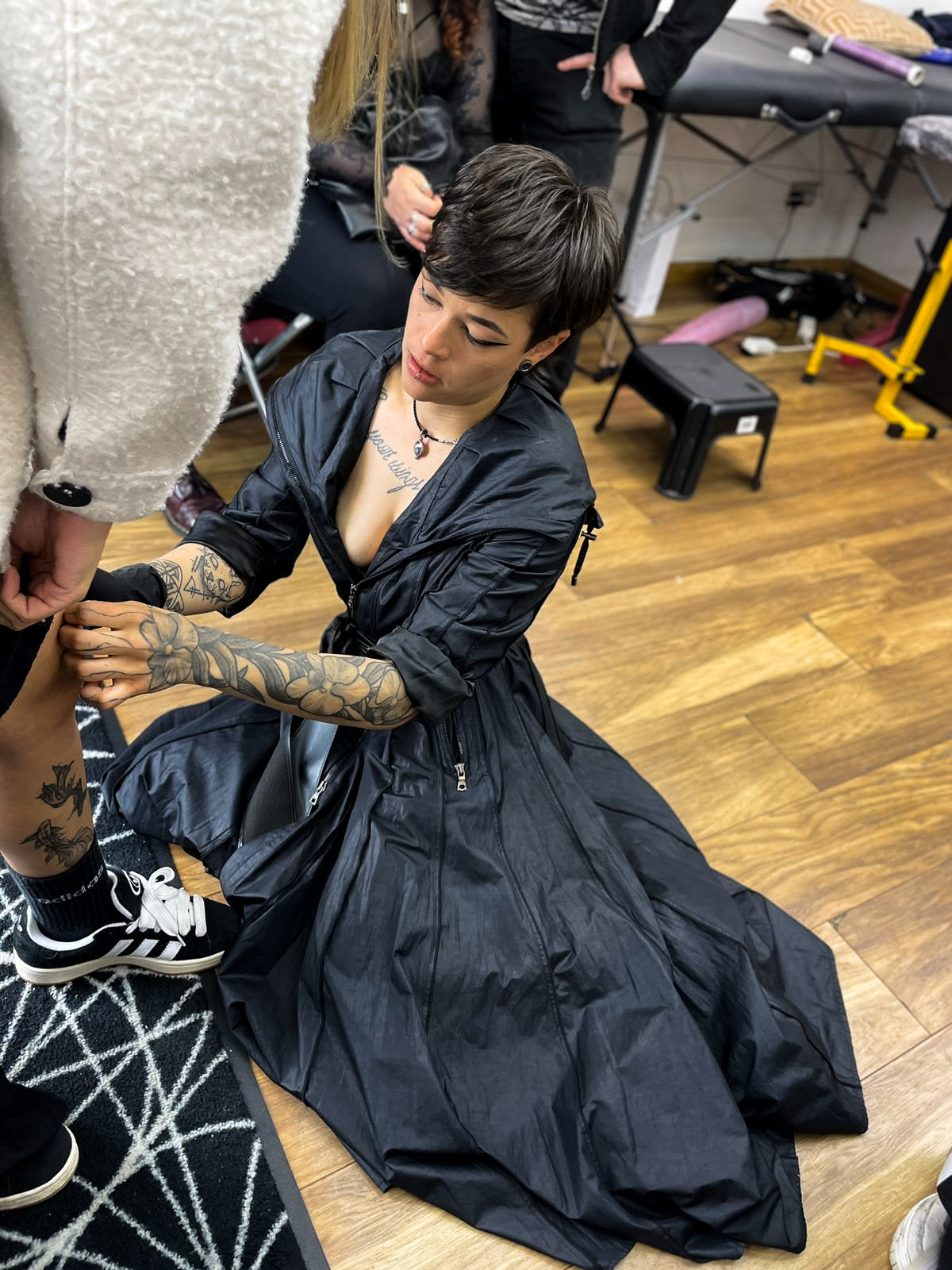
Any serious story about Lua cannot begin with the position she holds now. It has to begin with the work. Before she became responsible for a studio, she was an artist trying to understand what kind of language, discipline and responsibility her tattooing could carry.
Inside Ink Society, ownership is not separated from craft. The people responsible for the units are also artists, and that matters. Decisions about culture, standards and growth come from people who understand the pressure of the client conversation, the discipline of drawing, the responsibility of skin and the reality of finishing a piece well.
Lua’s artistic side should not sit in the background of this story. It is one of the reasons the story works. Her leadership in Brazil only has weight because it comes from someone who still belongs to the practice, not someone standing outside it.
[ISC_MEDIA:image-02]
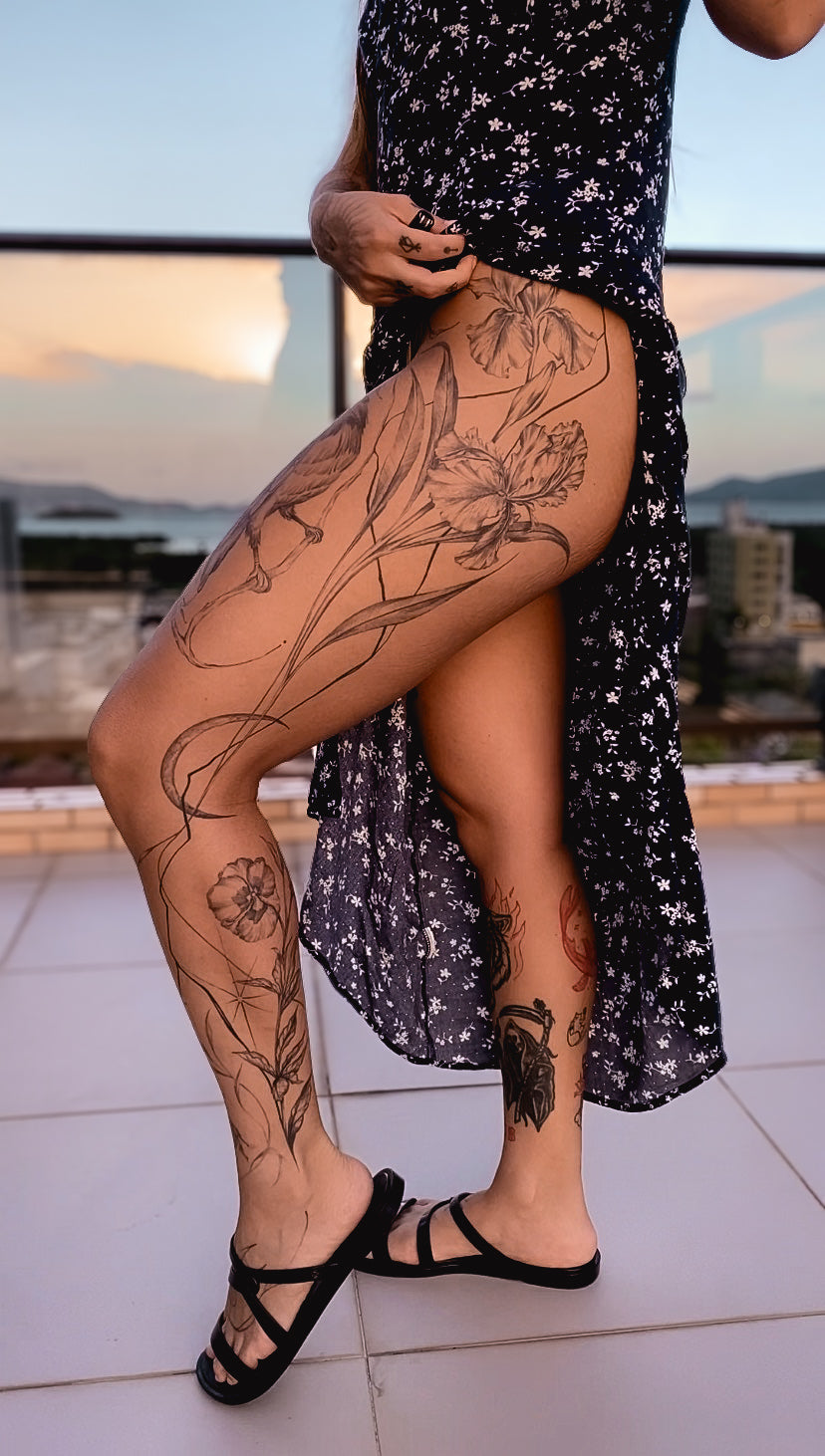
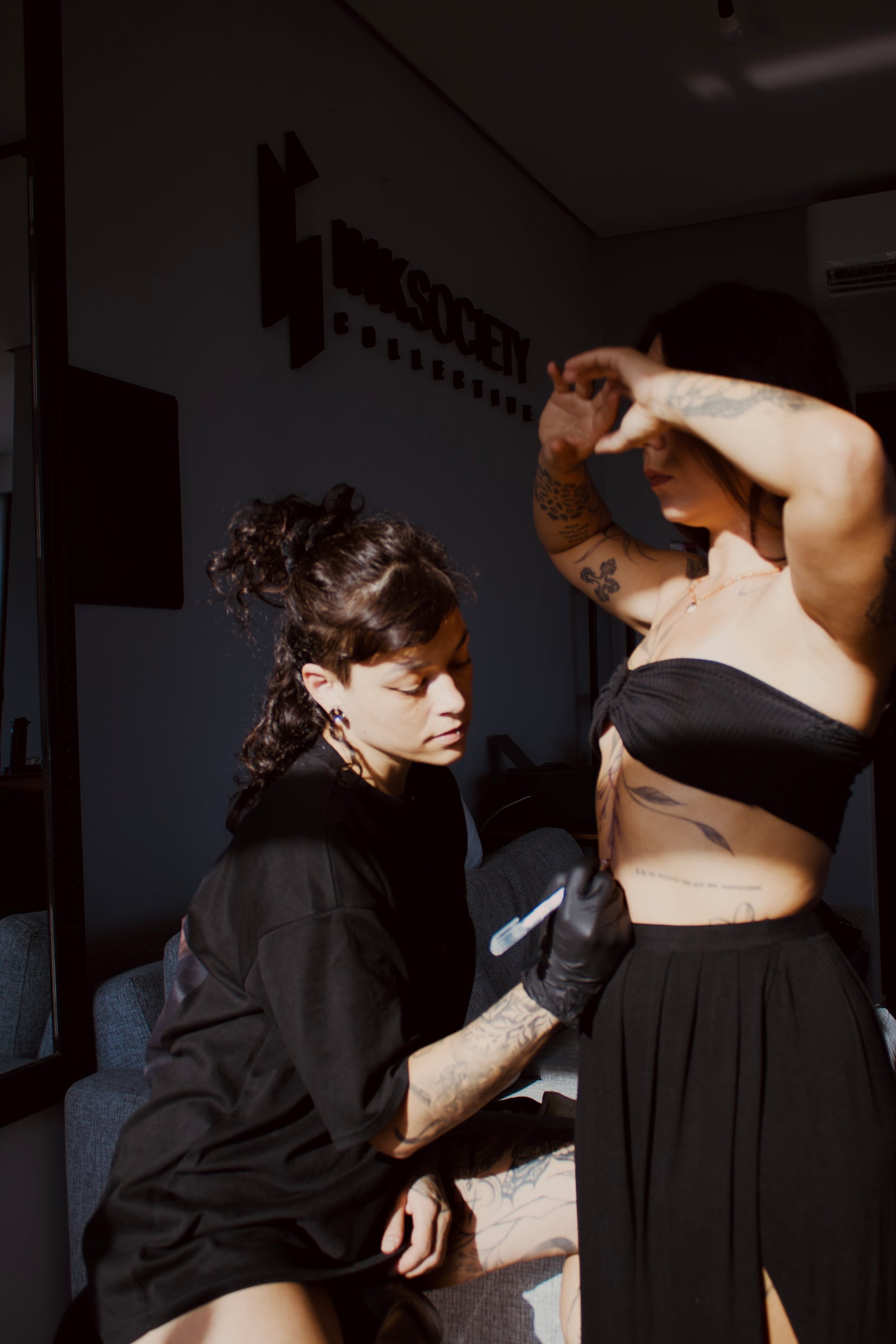
The article also needs to show her visual thinking: finished tattoos, drawings, references, healed work and the quiet process before the appointment begins. Without that, the reader can understand the expansion, but not the artist who made the expansion credible.
[ISC_MEDIA:image-03]
Before the Collective Had a Name
Lua arrived in Dublin after a lonely beginning in tattooing. She had been working for around two years and already understood one of the contradictions of the industry: tattooing is deeply human, but the artist’s path can be isolating. Many artists learn alone, work alone, manage themselves alone and carry the weight of their growth without much structure around them.
“I always liked being around people,” she says. “I missed exchange. I felt a disconnection inside tattooing, because many artists work alone, learn alone and carry everything on their own backs.”
Then she adds, with the kind of honesty that would later become part of her leadership style: “And artists are rarely the best people at managing themselves alone. I would easily put myself at the top of that list.”
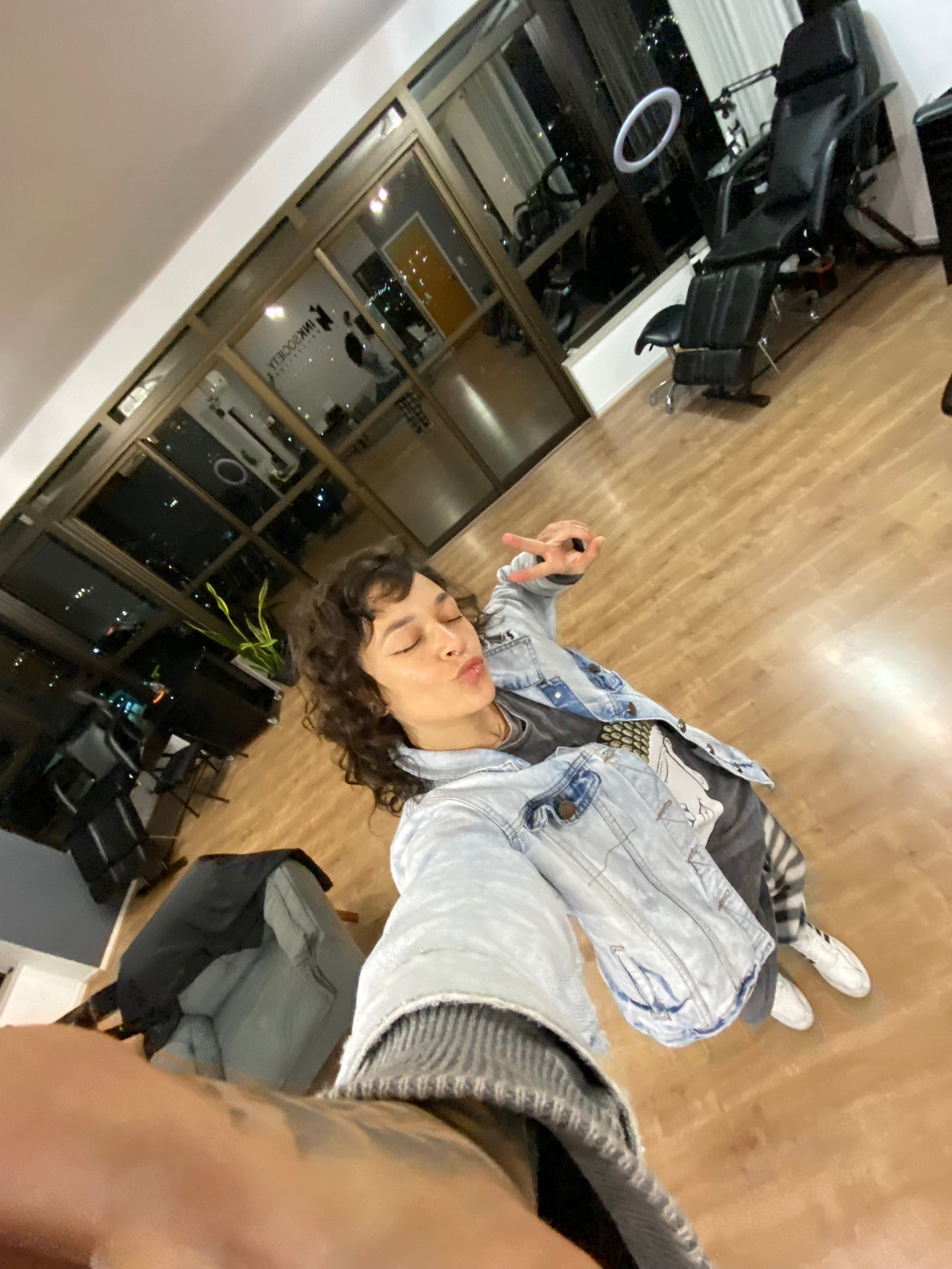
Her first visit to the Dublin studio happened through the only person she knew in the city. A friend brought her to the space where Victor was working at the time. She still remembers the rooftop.
“When I saw it, I thought: this looks like a dream.”
At that stage, Victor was still working by himself. The space was not yet what Ink Society would become. It was more like an idea in motion: a room, a view, a set of instincts and a belief that tattooing could be built with more openness than the industry often allowed.
Lua remembers the first conversation clearly. “There was something very simple but very strong,” she says. “That place made sense.”
The First Artist
One of the first things that made Lua believe in the space was not a dramatic speech or a formal invitation. It was a practical decision.
In the way the rent and use of the studio were arranged, Victor encouraged her to feel free to be there whenever she wanted, even when she did not have a tattoo appointment booked. To someone outside the industry, that might sound small. To an artist trying to grow, it was not.
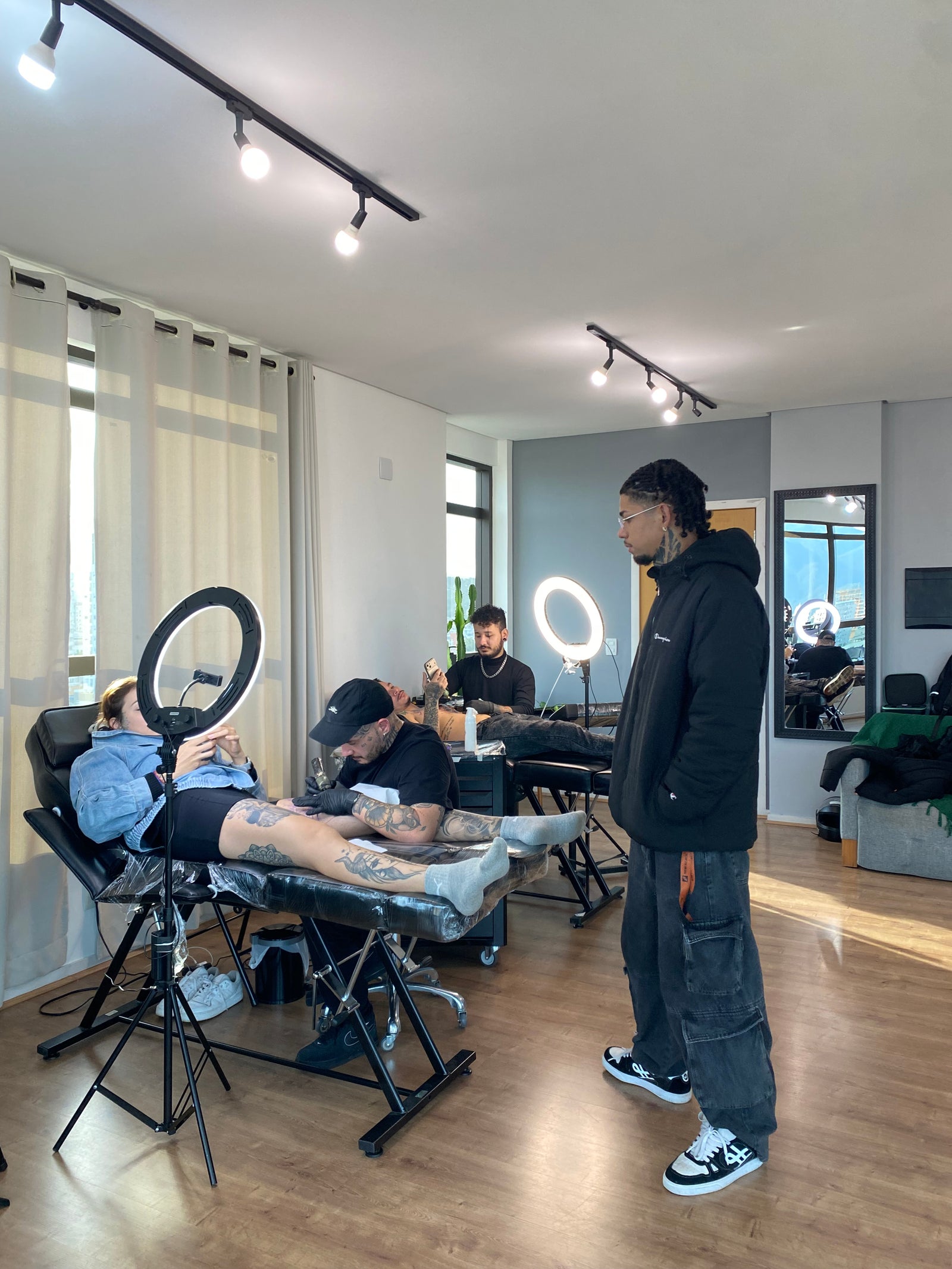
That freedom changed how Lua worked. Instead of drawing alone at home, she started drawing inside the studio. That meant feedback, conversation, references, questions and different ways of seeing the same idea.
“Going to the studio to study, draw, talk and share changed my career. The more time I spent there, the more I learned.”
[ISC_MEDIA:image-04]
It also taught her something that would later become central to the Florianópolis unit: a tattoo studio should not only be a place where artists arrive to perform a service. It can also be a place where they spend time, sharpen their eye, exchange knowledge and become more precise in who they are.
Lua was the first artist to enter the project. She saw the first room. She saw decisions being made before the path was clear. She saw the ideas before they had structure, language or a brand around them.
“Being able to say that I was the person who saw it all being born is very important to me,” she says. “I was the first one to dream it together. Today, all of us are building that reality.”
[ISC_MEDIA:image-05]
When the Room Started Asking for More
There was no single day when Ink Society became a collective. Lua describes it more as a feeling that began to appear. But one moment stayed with her.
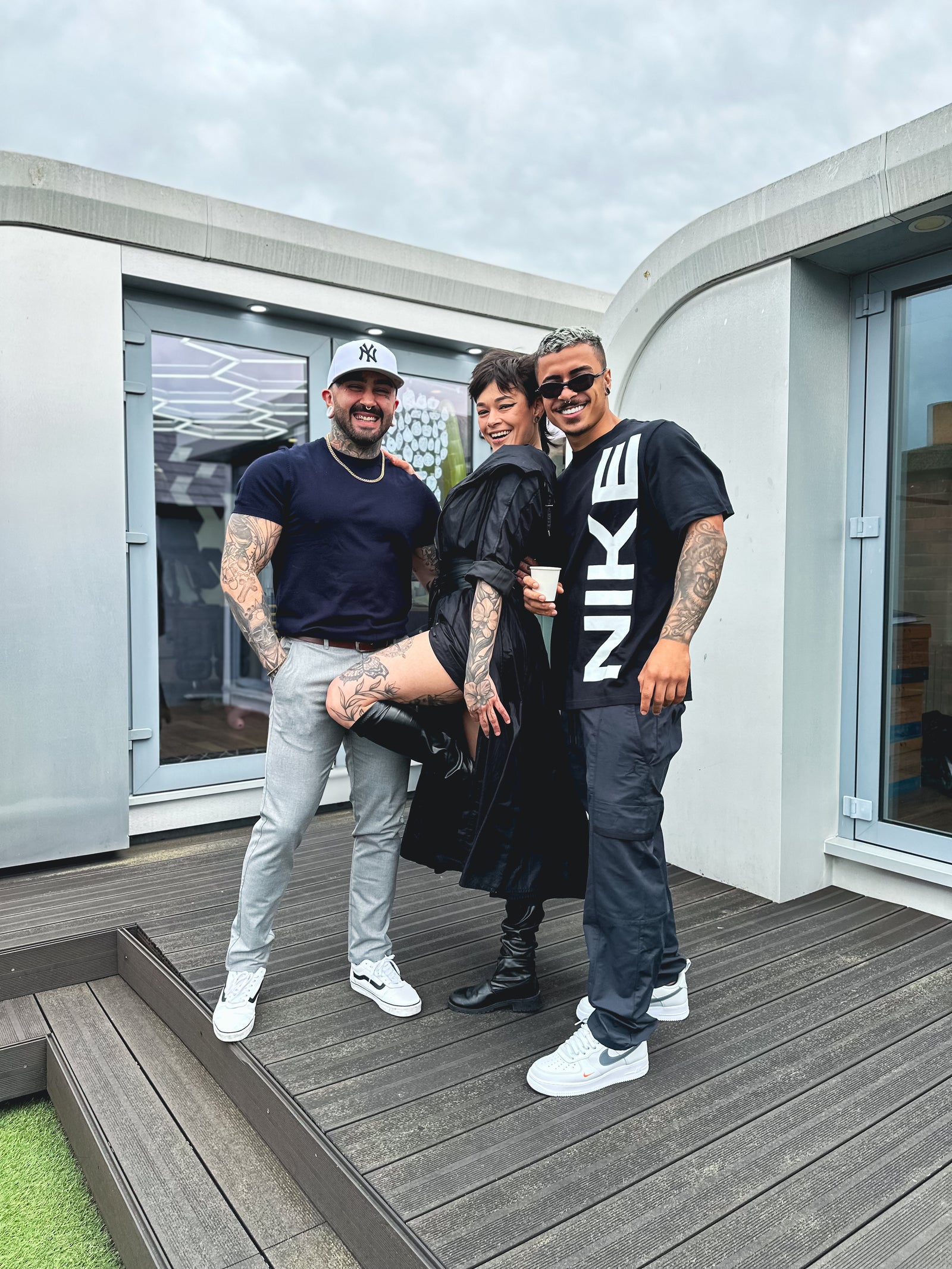
Lucas had come looking for Victor for a guest spot. Around that same period, the studio started to feel too small for what was happening inside it. Then Victor said he was thinking about taking another room.
At the time, it was still only the two of them working there. “Doing the math, it felt too soon,” Lua remembers. “We would need more artists to sustain all of that.”
A few days later, the decision had already been made.
“The other room is ours.”
For Lua, that moment marked more than a physical expansion. It revealed the kind of courage behind the project: not reckless optimism, but a willingness to move before everything felt safe, as long as the work followed.
She says that was one of the biggest lessons she took from Dublin: to dedicate her best to something bigger than only herself.
The collective was not born as a polished concept. It was born through shared risk, long days, unfinished structure, mutual help and the understanding that one person’s growth could raise the level of the room.
“There was a strong feeling that if one person grew, everyone grew together,” she says. “There was no competition.”
Looking back, she sees it clearly: “The collective already existed there, even before it had a name.”
[ISC_MEDIA:image-06]
Knowledge Was Meant to Move
Lua does not describe Dublin only as a career chapter. She describes it as a personal transformation.
“I was another person before Dublin,” she says. “The biggest change in my life was not only living in another country or tattooing on the other side of the world. It was discovering the power of everything I could become.”
Inside the studio, she began to understand leadership in a way that was less about authority and more about attention. She remembers small gestures: a conversation, advice, analysis, encouragement, someone listening carefully enough to identify what another person could become before they fully saw it themselves.
For her, one of the most important cultural differences inside Ink Society was the way knowledge moved. It was not guarded as power. It was shared.
That mattered because Lua had felt the loneliness of learning alone. In Dublin, she experienced something different: opinions were invited, not dismissed. Even when she felt inexperienced, her eye mattered.
“I always had space to speak,” she says. “I always had space to participate.”
That experience shaped not only her style, but her future way of leading. Sometimes, another person’s observation can reveal the difference in you before you have the confidence to name it yourself.
Returning Without Leaving the Idea Behind
Just as the dream was gaining shape, Lua’s time in Ireland was interrupted by a bureaucratic issue. She does not describe it as a clean ending. She describes it as a rupture.
There were still plans, ideas and a sense that her life in Dublin was being cut short before its time. During that period, she and Victor discussed possibilities, looking for a way for her to stay or to carry the project forward somehow. In the end, she had to return to Brazil.
“I cried almost the whole flight. It felt like a piece of me had stayed behind.”
At first, she believed it would be temporary. She would resolve the situation and return to Europe. But as the months passed, waiting became its own kind of paralysis. She realised she could not place her whole life on hold.
Then Victor brought an idea that, at first, sounded almost impossible.
“Let’s open an Ink Society in Brazil. You take care of it, and we officially begin the expansion.”
Lua’s first reaction was to laugh. “I thought: how can you trust me like that? I don’t even trust myself that much.”
Looking back, she sees that trust as one of the things that made the next chapter possible. She had never built something of that scale. She did not yet know the amount of responsibility that would come with it. But the idea touched something precise: it was the project she had always dreamed of, before she knew how to name it.
Step by step, with patience and work, Ink Society 002 began to take form in the greater Florianópolis region.
The Brazilian market was different. The culture was different. The way of building a business was different. Lua was not yet widely known in the region, and after years of working in a more solitary way, she did not have a large local network around her. Some people looked at the project with suspicion.
Lua does not romanticise that part. “Projects that are different often look unlikely before they become real,” she says.
[ISC_MEDIA:image-07]
Building 002
When Lua brought Ink Society to Brazil, she knew one thing clearly: Florianópolis could not be a copy of Dublin.
The point was not to reproduce the same room in another country. The point was to preserve the culture that had transformed her own life and allow the rest to be born from the local reality.
“I didn’t want to copy Dublin. I wanted to preserve what had changed my life: the culture of sharing, trusting and growing together. Everything else needed to be born from here, with our reality, our artists and our way of taking care of people.”
That distinction is central to Ink Society 002. The principles remained: respect, artistic freedom, organisation, shared knowledge, opportunities, care for clients and a serious standard of work. But the identity of the unit had to come from Brazil, from Santa Catarina, from the artists who joined it, and from Lua herself.
She describes Ink Society as a garden.
“A space where each artist can grow without having to stop being who they are,” she says. “I never wanted people to look like each other. I wanted to create an environment where each person could develop their own identity knowing they did not have to do it alone.”
The second unit is not valuable because it repeats the first. It is valuable because it proves the idea can travel without becoming rigid. It can remain recognisable while changing language, rhythm, leadership and atmosphere.
“More than a physical space, I wanted to build a culture.”
[ISC_MEDIA:image-08]
From Artist to Leader
Becoming responsible for Ink Society 002 meant Lua had to change again.
She was no longer only an artist looking for her own place. She was now responsible for creating a place where other artists could find theirs.
That shift carries a different weight. Leadership requires decisions, structure, emotional steadiness, financial responsibility and the ability to care about people without losing the clarity needed to guide a business.
Lua’s own experience helped shape the way she leads. She knows what it feels like to arrive uncertain. She knows what it feels like to need someone else to see potential before you can fully trust it. She knows how much difference a room can make when it is built around exchange instead of insecurity.
Ink Society 002 would not be defined only by tattooing. It would be defined by how artists were received, how they were encouraged, how knowledge circulated, how clients were treated and how the space could hold different identities without forcing them into one mould.
For Lua, teaching became part of the purpose.
“It is a waste of life for everything we know to die with us. When we are no longer here, our ideas can still reverberate through the actions of other people. Ink Society taught me how beautiful it is to teach.”
[ISC_MEDIA:image-09]
What Florianópolis Adds to the Collective
Lua was born in Ituporanga, in the countryside of Santa Catarina. She studied fashion, worked in the field for years and always saw art as the only path that truly made sense for her life.
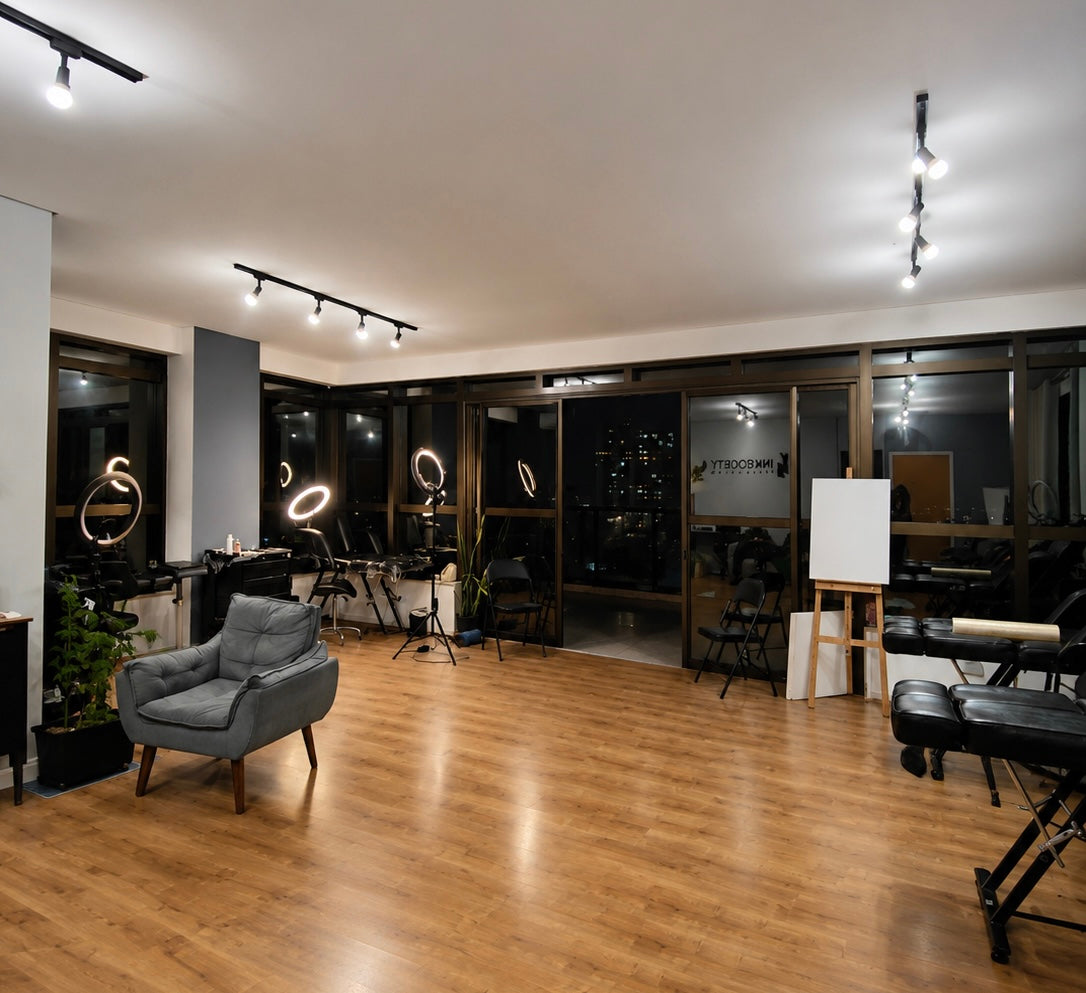
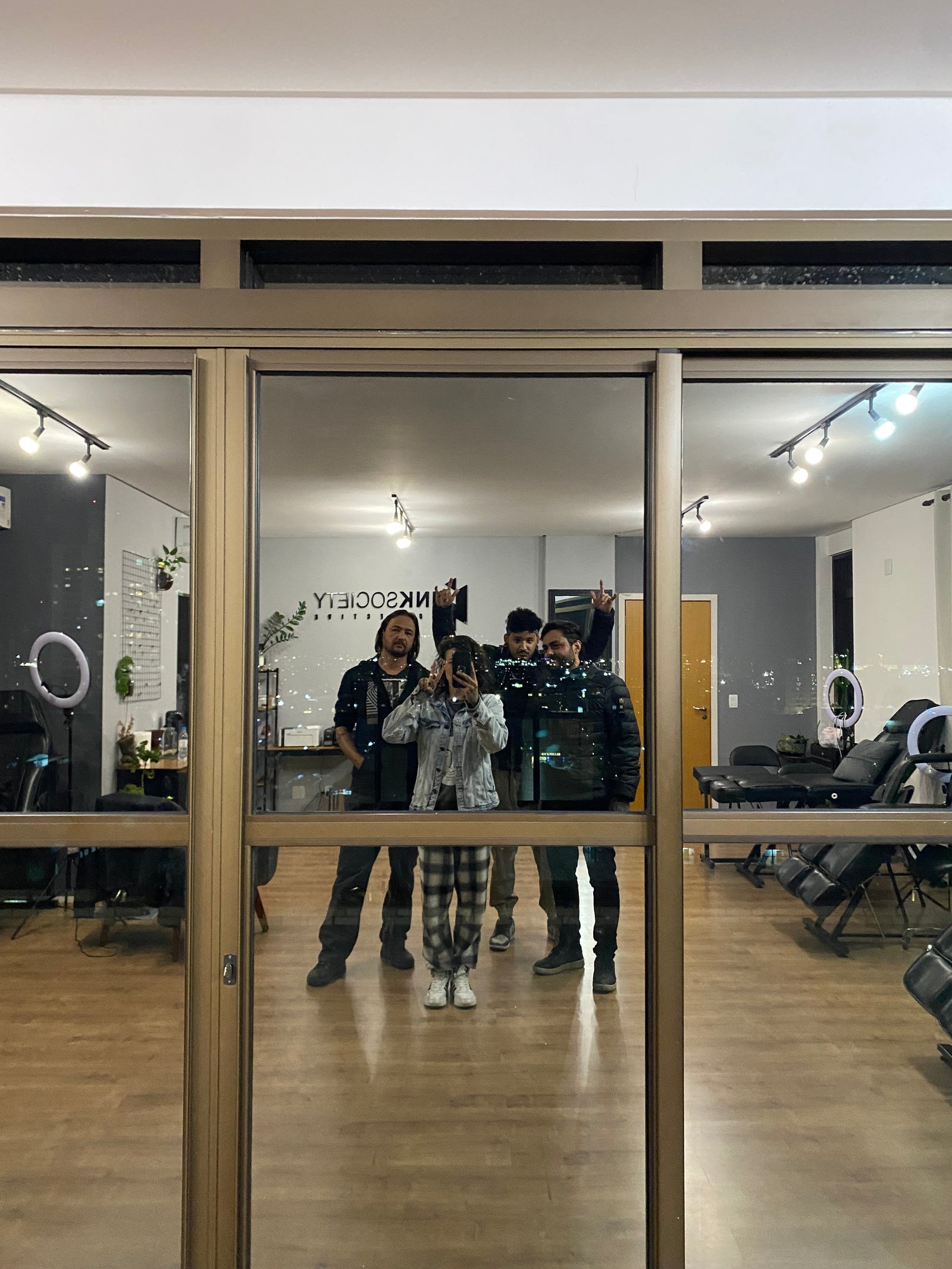
Today, after five years of tattooing, she leads the second Ink Society unit in Palhoça, in the greater Florianópolis region.
Her path matters because Ink Society 002 is not only an expansion point on a map. It is the result of a specific artist carrying a culture across the Atlantic and rebuilding it through another reality.
Dublin gave the original idea its first room. Florianópolis gave it proof that it could become something larger than its origin.
In Lua’s hands, 002 became a second chapter with its own voice: Brazilian, local, relational, shaped by a different market and a different pace, but still connected to the same central belief that knowledge should move, artists should not have to grow alone, and a studio can be more than a place where appointments happen.
It can be a structure for belonging.
When Lua speaks about the future, she does not describe growth only in terms of size. She speaks about the kind of team she wants to build, the culture she wants to protect, and the responsibility of keeping the project human as it expands.
That is the real meaning of 002.
It is not a copy. It is not a branch that exists only because the first unit succeeded. It is the first evidence that Ink Society can cross borders, remain recognisable, and still become something new in the hands of another leader.
[ISC_MEDIA:image-10]
The collective began when Lua entered the room.
Ink Society 002 began when she carried that room with her, and then had the courage to build a new one.
Image credits
Photography to be credited before publication. Images to be uploaded after approval from Lua, clients and photographers.
Last reviewed: July 2026