
Tattooing Black Skin: Daniel on Contrast, Healing and Respecting Melanin
Brazilian tattoo artist Daniel, based at Ink Society Collective Dublin, explains why contrast, healed results and respect for melanin matter when tattooing Black skin.
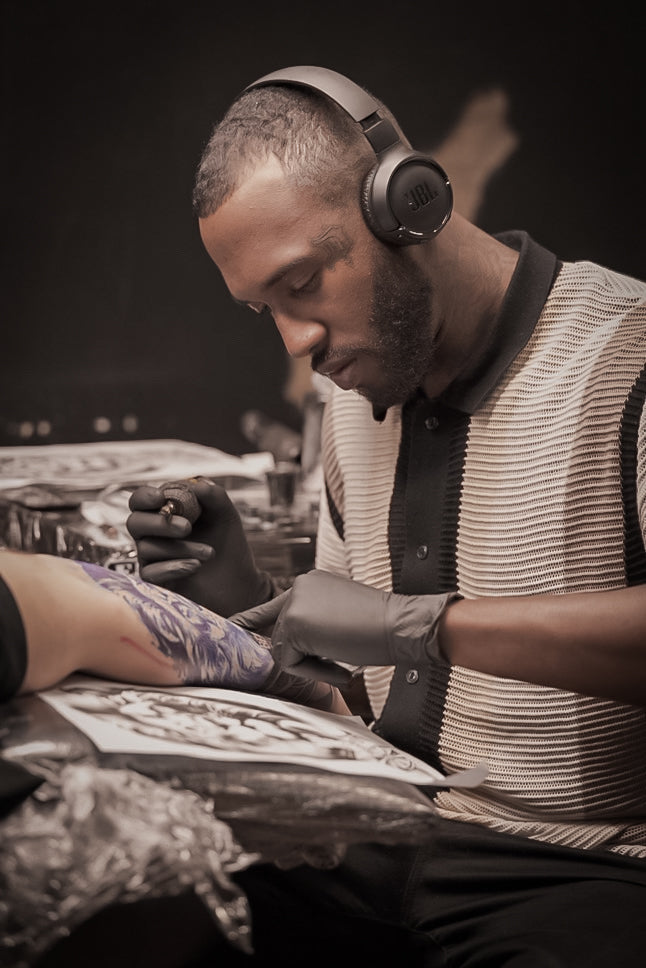

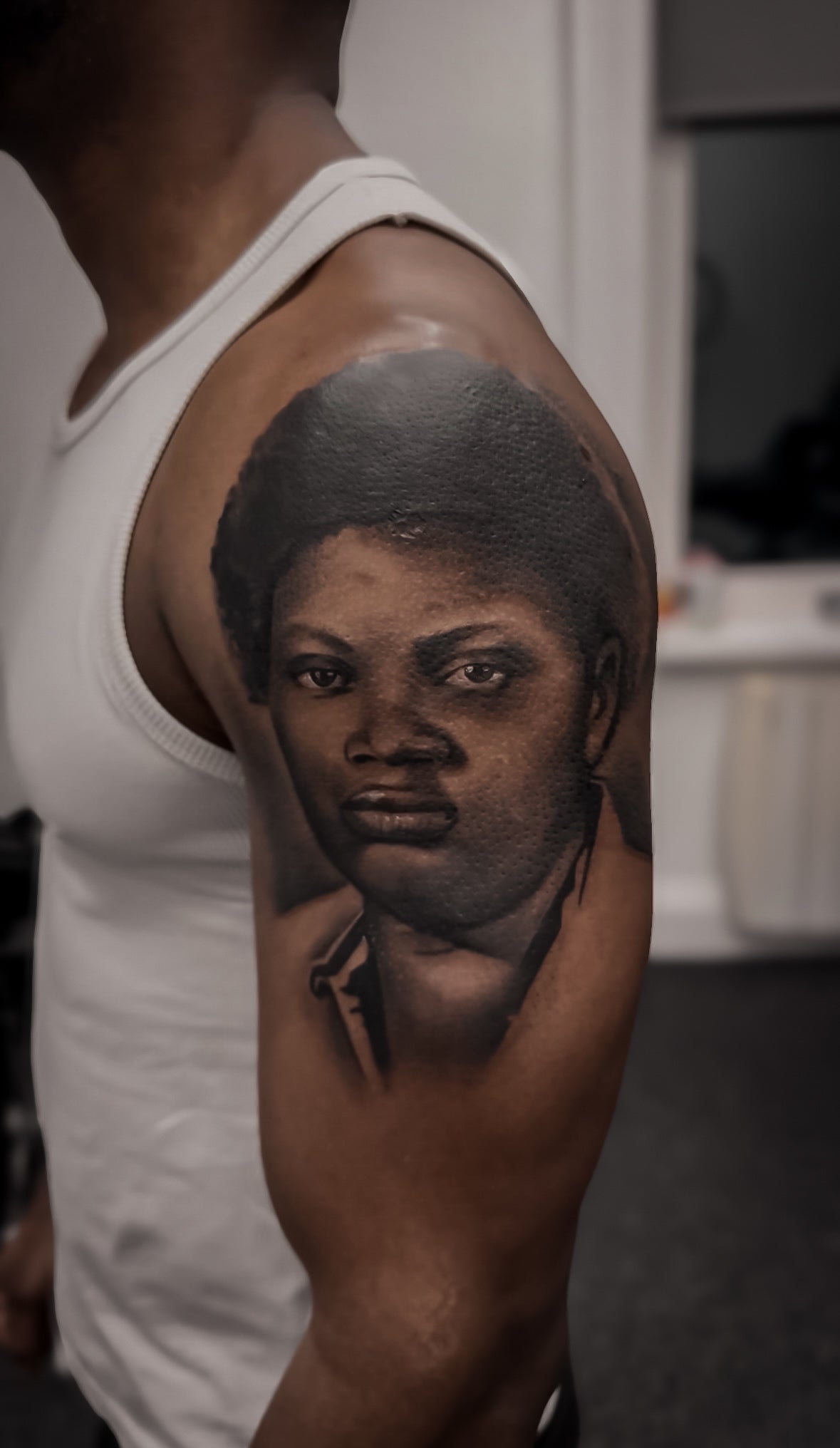
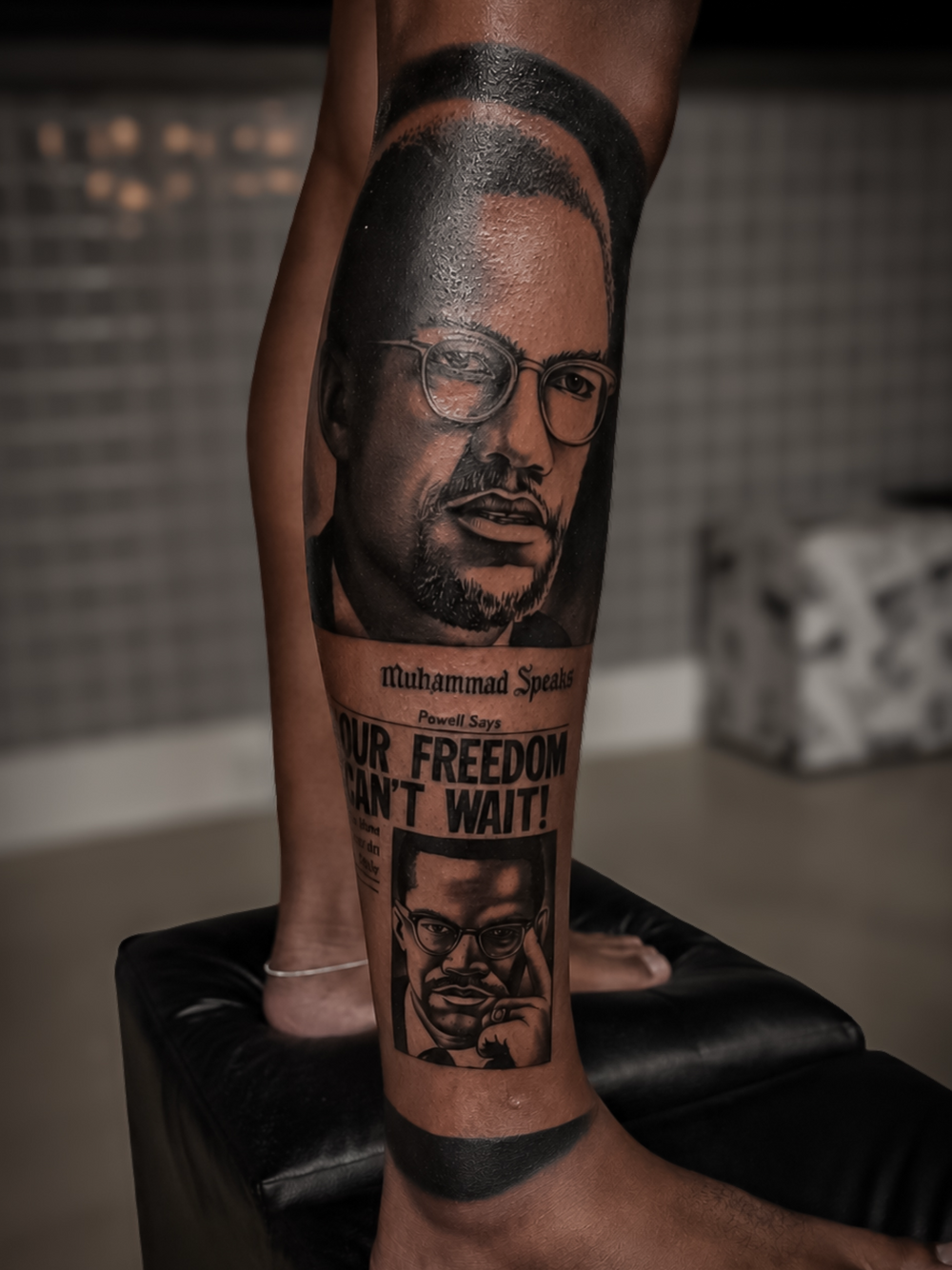
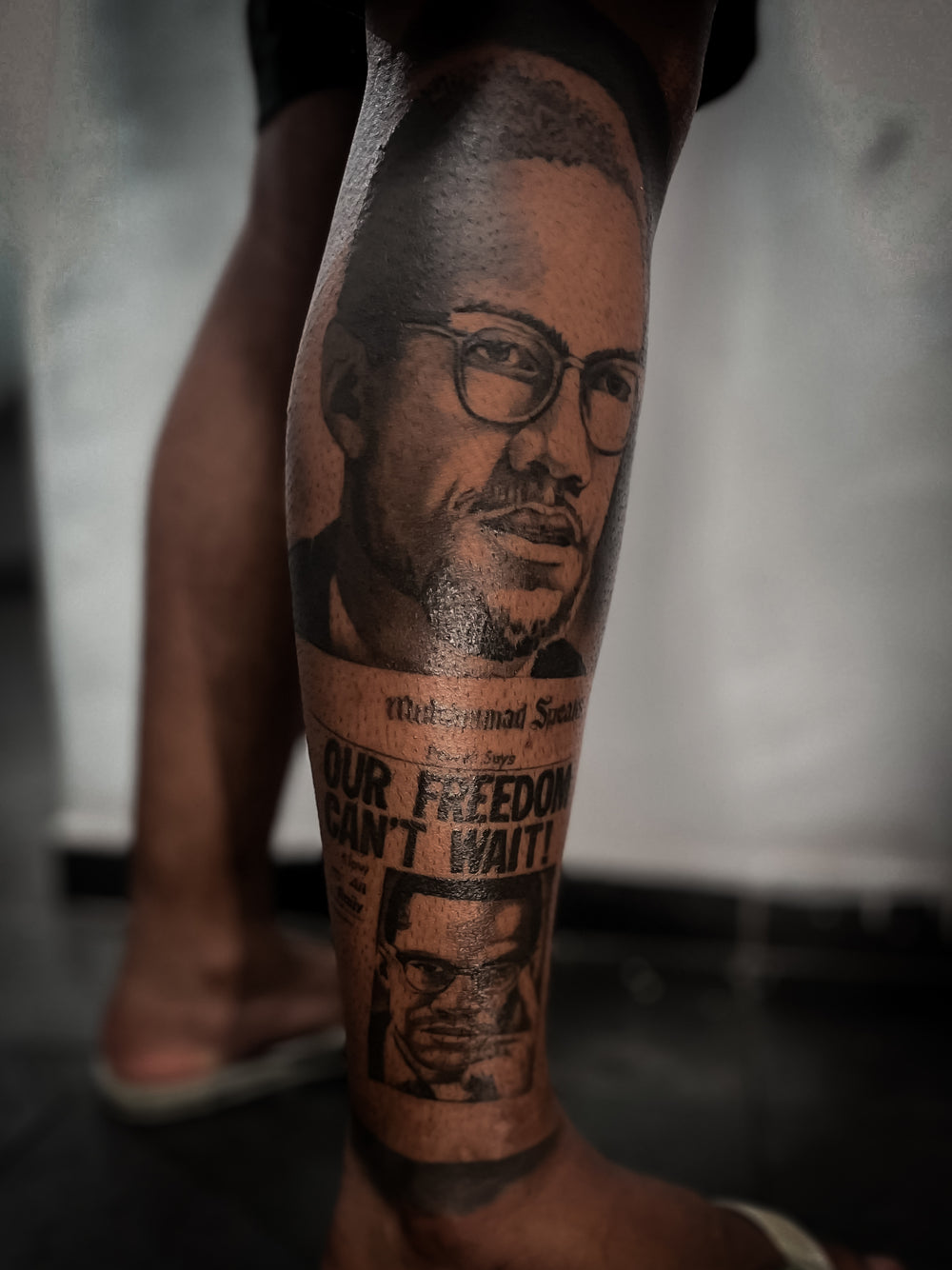
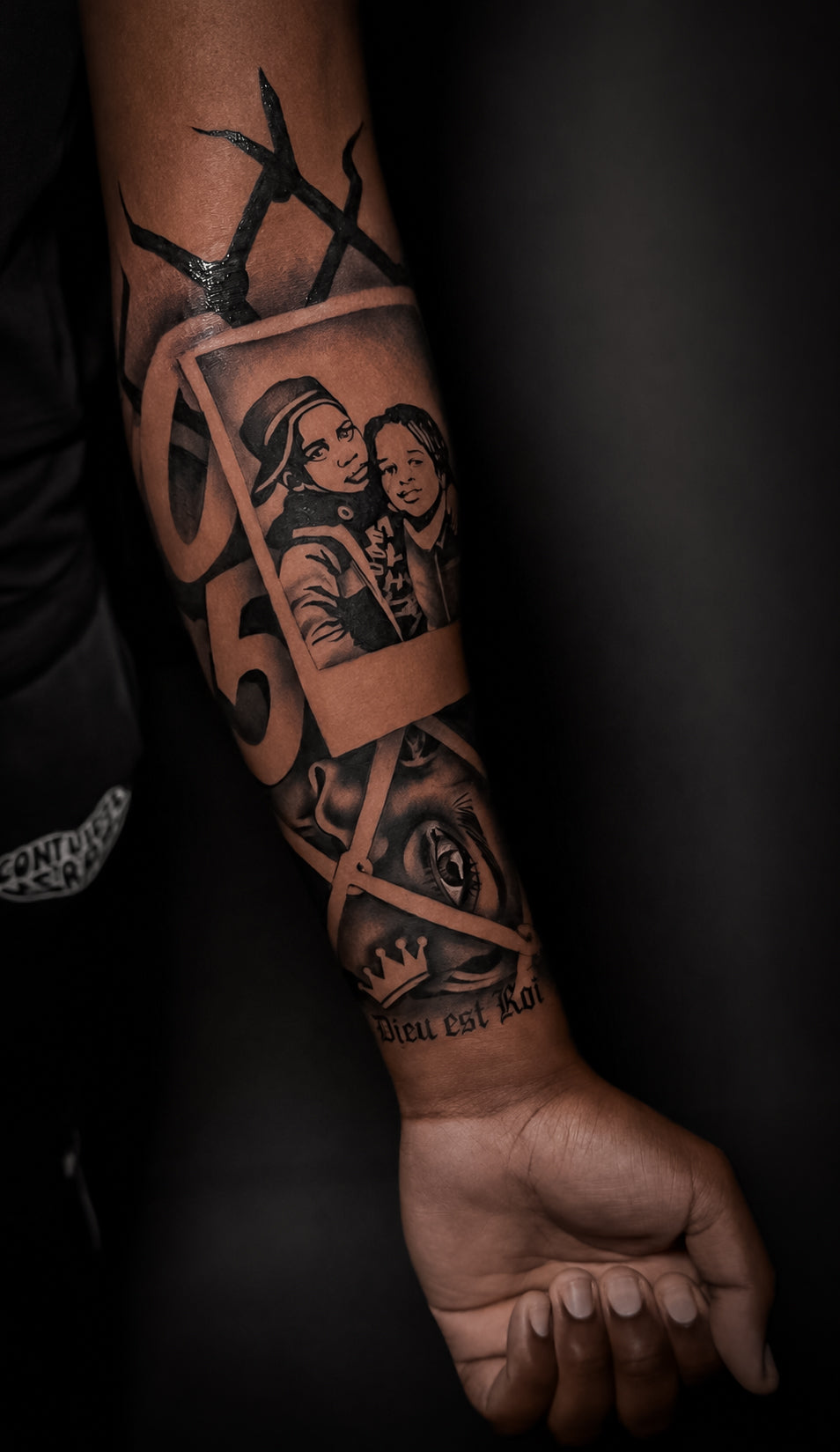
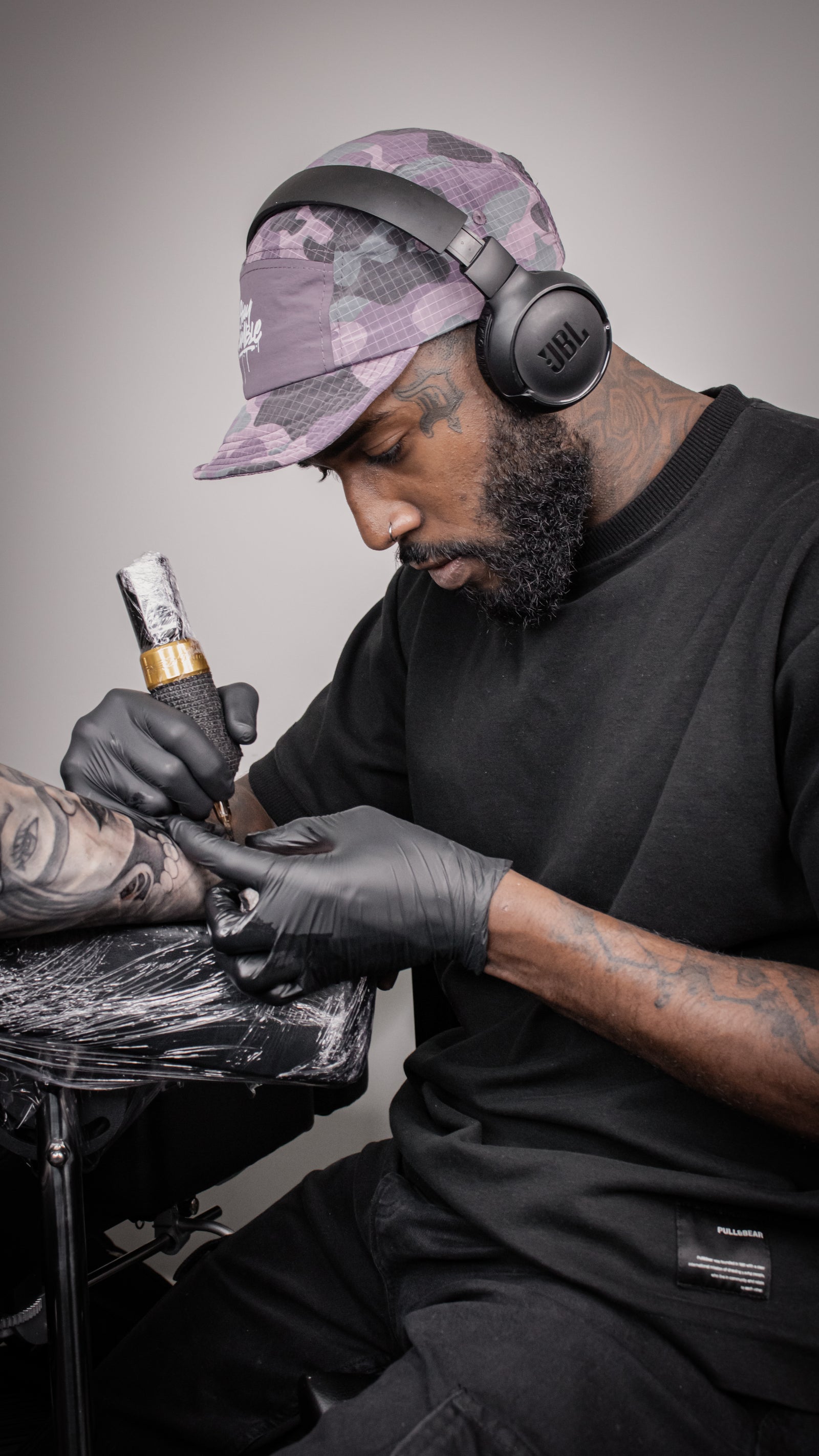
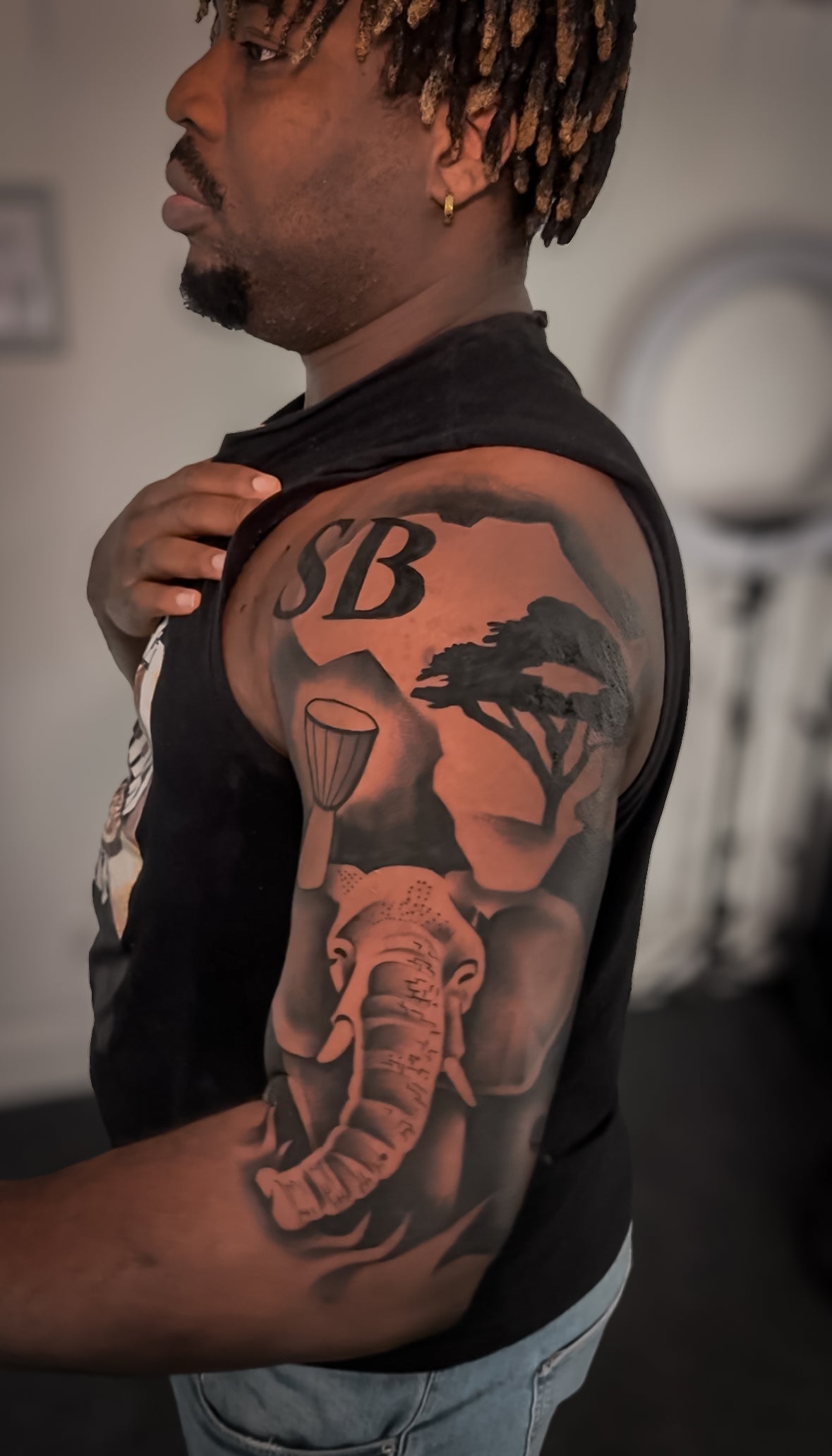
Some tattoo advice sounds universal until it reaches Black skin.
A design can look sharp on light skin and disappear on deeper skin tones. A colour can look loud in a reference photo and heal muted. A freshly finished tattoo can photograph well under studio light, then lose structure once the skin settles. For Daniel, a Brazilian tattoo artist based at Ink Society Collective Dublin, the problem is not Black skin. The problem is tattooing without designing for it.
His answer is not more detail, more trauma or more pressure. His answer is simpler and harder to fake: contrast.
[ISC_MEDIA:image-01]
- Artist
- Daniel
- Base
- Ink Society Collective Dublin
- Origin
- Santos, Brazil
- Focus
- Tattooing Black skin and skin rich in melanin
- Core principle
- Contrast
Before the technique, there was drawing
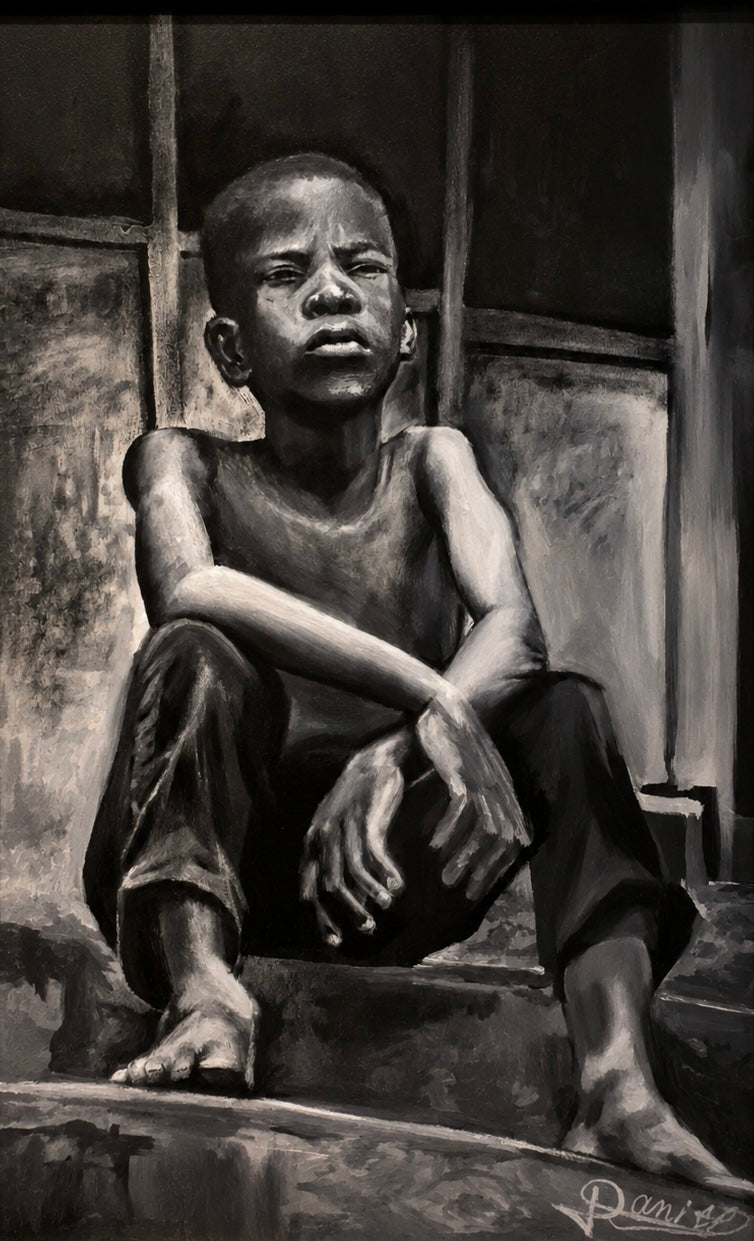
Daniel describes himself as the distracted kid at the back of the classroom, drawing in his notebook while everything else was happening around him. The first real signal came early. At eight years old, he won a drawing contest and understood that drawing could open doors.
By fourteen, his friends were already pushing him toward tattooing. They saw his drawings and kept telling him to buy a machine. Some even promised they would be the first to get tattooed by him. At sixteen, he bought his first tattoo kit and, in his words, went straight into real skin on the first day.
At nineteen, he joined the team of a well-known studio in Brazil. That moment moved tattooing from experiment into profession. It gave him entry into the market and, for the first time, a sense of financial independence through the craft.
Daniel is from Santos, a coastal city in São Paulo with a visible tattoo culture and a strong place in Brazilian tattoo history. Growing up surrounded by tattooers, studios and people who wore tattoos naturally made the practice feel close, possible and real.
[ISC_MEDIA:image-02]
Learning from healed tattoos, not just fresh ones
Daniel’s understanding of Black skin did not come from a single course, trend or marketing position. It came from observation. He started by studying healed tattoos on his own body: which details still worked years later, which ones people noticed from a distance, and which choices stopped making sense after healing.
“I started by studying healed tattoos on myself. I watched what people still noticed on my skin over the years and what no longer made sense.”
That process created a visual filter. Instead of asking only whether a tattoo looked good when finished, he began asking a different question: what would make this tattoo readable later, from further away, after the skin had healed?
That question became the foundation of his work.
[ISC_MEDIA:image-03]
The mistake is treating every skin the same
One of Daniel’s strongest criticisms is simple: many tattoos on Black skin were never designed for Black skin. They were designed from references, habits and assumptions built around lighter skin, then applied without enough adaptation.
For him, the biggest error is failing to respect open skin.
“The mistake is not respecting the spaces of skin.”
In practice, that means a design can become too dark, too packed or too dependent on soft grey values that do not have enough separation after healing. Daniel is especially cautious with excessive grey, white and overly compressed shading when the design needs long-term readability on deeper skin tones.
His point is not that Black skin limits tattooing. It is that Black skin demands better decisions.
Melanin changes how a tattoo is seen after healing
Daniel explains tattooing Black skin through a visual metaphor. Once the tattoo heals, the pigment is not being seen in isolation. The natural tone of the skin affects how the design is perceived, making the result softer, darker or more muted than it looked when freshly finished.
His practical question is: if a darker visual layer will sit over the tattoo after healing, what needs to be designed so the work still stands out?
That is why he does not judge the tattoo only at the end of the appointment. Fresh work can be misleading. A tattoo that looks impressive in the first photo can lose its structure within weeks if the design relies on details, tones or colours that do not hold enough contrast.
“If it looks good fresh, that does not automatically mean it will heal well. It can become a blur very quickly.”
[ISC_MEDIA:diptych-04]
Why contrast matters more than detail
In Daniel’s approach, contrast starts before the needle touches the skin. It begins in the drawing.
On lighter skin, an artist may be able to build an image with many small details, soft transitions and a wider range of subtle values. On very dark skin, Daniel believes the design often needs to become more intentional: stronger structure, clearer lines, larger black areas, more deliberate skin breaks and fewer unnecessary details.
He does not see this as a downgrade. He sees it as a different visual language.
“On Black skin, more is not always better. Sometimes less is more.”
That “less” is not laziness. It is editing. It means removing what will not survive visually and strengthening what will.
When Daniel says contrast, he is not talking only about black ink. He is talking about contrast in shape, photography, shadow, negative space, distance and body flow. A tattoo should not just exist on the skin. It should work with the body.
[ISC_MEDIA:image-05]
Colour on Black skin is not a yes-or-no question
Daniel does not reduce colour on Black skin to a fixed rule. He points out that there are many tones of Black skin, from lighter brown skin to very deep skin tones, and each person can have different undertones. Some skin reads warmer, some more reddish, some more brown.
That matters. The same pigment will not read the same way on every body.
In Daniel’s experience, the deeper the skin tone, the smaller the range of colours he would usually recommend if the goal is strong visibility. On some lighter Black skin tones, red can often read better than other colours. But his wider point is that colour has to be analysed, not assumed.
The irresponsible answer is: “Any colour works on any skin.”
The more honest answer is: “Let’s look at your skin, the design, the placement and the healed result you actually want.”
[ISC_MEDIA:image-06]
Guiding the client without killing the idea
One of the hardest parts of Daniel’s work is the conversation with the client. Many people arrive with references that were not designed for their skin tone. Some arrive already insecure because they have been told that certain tattoos are “not for them.”
Daniel does not believe the answer is to shut clients down automatically. If a Black client wants a fine line tattoo, for example, he does not treat that desire as meaningless just because the result may not have the strongest long-term visibility. Sometimes the tattoo is about memory, intimacy or a personal mark rather than maximum contrast.
The responsibility of the artist is to explain the trade-off clearly.
When an idea will not work well as presented, Daniel usually simplifies the structure, prepares a sketch-style direction and explains why certain details need to be cleaned. In many cases, the client understands once the goal becomes clear: not to reduce the idea, but to make the tattoo visible and honest on the skin it will actually live on.
Application is not about forcing the skin
Daniel is direct about another myth: pushing harder is not the answer.
“Not stronger. More concentrated.”
In very deep skin tones, he says the artist may not immediately see the pigment as clearly during application. The skin can swell, fluids can cover the area, and the tattooer may feel tempted to overwork the skin because the result is not instantly visible. That is where experience matters.
His approach is to apply with control, wait for the skin to respond, clean the area and judge with patience. More trauma is not technique. Better judgment is.
[ISC_MEDIA:image-07]
Why this matters in Dublin
Daniel believes there is a real need in Dublin for tattooers who understand Black skin. Ireland is home to people from many African, Brazilian, Caribbean and mixed backgrounds, yet clients with darker skin are still often left choosing from portfolios that do not show enough healed work on skin like theirs.
That is one reason he tells clients to ask better questions before booking.
Look for healed tattoos. Ask for videos. Check whether the artist’s portfolio includes Black skin after healing, not only fresh photos under perfect lighting. Look for contrast, structure and distance readability. If every example is on light skin, the client should not assume the same visual result will happen on their body.
Daniel also wants the tattoo industry to take this subject more seriously. He questions why tattoo conventions often celebrate many categories, but rarely create space for Black skin as its own technical and visual conversation. In his view, people need to see healed work in person to understand what good tattooing on Black skin actually looks like.
Memory, ancestry and the work Daniel wants to make
Beyond technique, Daniel is interested in tattoos that carry cultural and historical weight. He speaks especially about Afro-descendant Brazilian clients and the possibility of marking ancestry, memory and history through tattooing.
For him, this is not about victimisation. It is about refusing to erase what happened, and creating images that honour those who came before.
That ambition points to the deeper reason this work matters. Tattooing Black skin well is not a niche trick. It is a form of respect. It asks the artist to stop treating lighter skin as the default, to study healed results, to design with intention and to give Black clients the seriousness they should always have received.
[ISC_MEDIA:image-08]
Daniel’s advice to clients and tattooers
For Black clients looking for a tattoo artist, Daniel’s advice is practical: look for contrast and healed examples. Do not judge only by fresh photos. Ask to see work on Black skin after time has passed.
For tattooers, his advice is even shorter:
“Study contrast.”
Contrast in photography. Contrast in forms. Contrast in shadows. Contrast in how a tattoo reads on a living body from a real distance.
Asked to summarise his view on tattooing Black skin in one word, Daniel does not hesitate.
Contrast.
To start a project with Daniel or another artist at Ink Society Collective Dublin, visit the Dublin studio page or contact the team through the booking form.
Image credits
Photography, client permissions and tattoo image credits to be confirmed before publication. Images should be uploaded only after Daniel, clients and photographers approve use.
Last reviewed: July 2026