
How to Care for a New Tattoo: A Complete Tattoo Aftercare Guide
A practical, detailed guide to cleaning, drying and protecting a new tattoo, including Ink Society Collective’s first three day protocol, dressing removal, moisturising, sleeping, exercise, swimming, sunlight and warning signs that need medical attention.

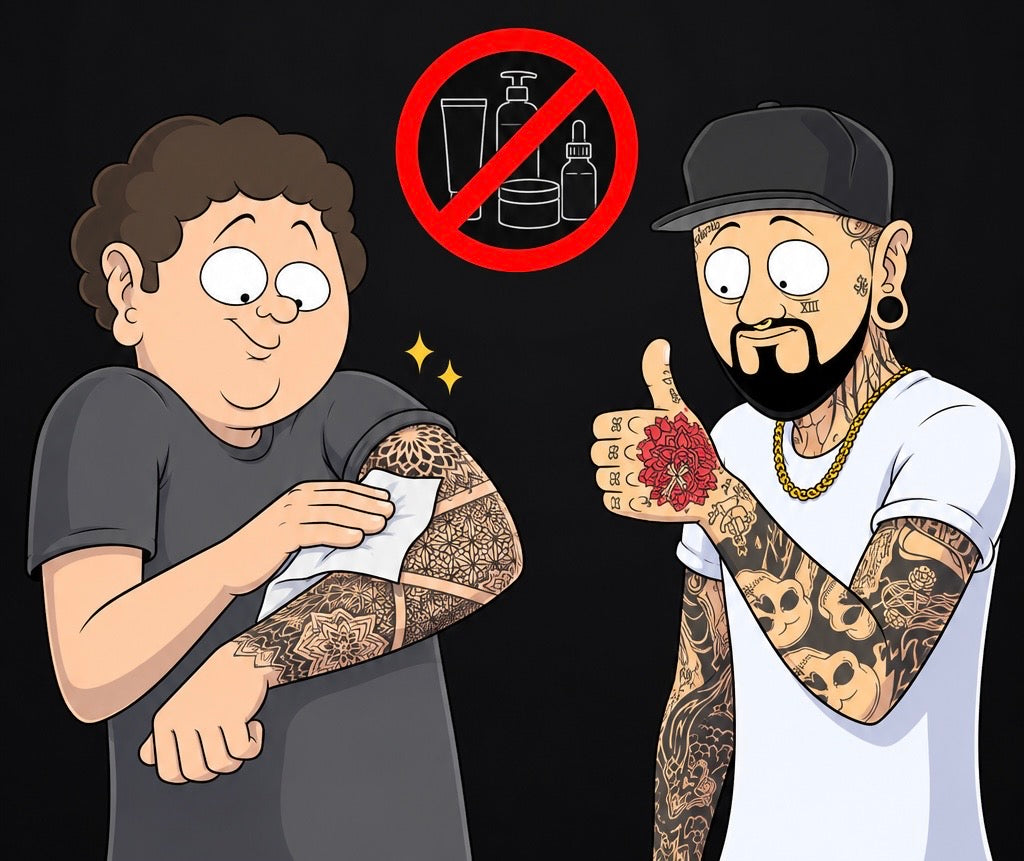






- Quick answer
- For the first three days, the standard Ink Society protocol is to keep the tattoo clean and dry, touch it only with clean hands and avoid cream, oil or lotion.
- From day four
- Continue gentle cleaning and apply only a very thin layer of the fragrance free aftercare product recommended by your artist.
- Avoid
- Swimming, baths, saunas, direct sun, scratching, picking, dirty fabrics, pet contact and unnecessary friction while the tattoo heals.
- Get medical help
- Seek medical advice if redness spreads, pain or swelling becomes worse, pus appears, or you develop fever, chills or rapidly worsening symptoms.
A tattoo may look finished when the session ends, but the skin has only started to recover. Tattooing repeatedly passes needles through the outer layers of the skin to place pigment in the dermis. For a period after the appointment, the protective skin barrier is disrupted and the area needs careful hygiene, sensible protection and time.
Good tattoo aftercare is not complicated. The difficulty is that clients often receive conflicting instructions online. A review of 700 tattoo aftercare instruction sheets found major variation between recommendations, with many failing to explain hand hygiene or when medical attention may be needed. This guide separates the standard Ink Society Collective protocol from general dermatology and wound care principles, so you know what to do and why.
The priority is not to cover a fresh tattoo in products. The priority is to keep it clean, dry and protected from unnecessary contamination.
Important: Follow the instructions given for your specific tattoo. The size, placement, saturation, dressing, skin condition and medical circumstances can change what is appropriate. This article provides general information and does not diagnose or treat infection, allergy or another medical problem.
New tattoo aftercare at a glance
When you arrive home
Wash your hands, remove the absorbent tattoo dressing at the time instructed by your artist, clean the tattoo gently, pat it dry with clean disposable paper towel and allow it to breathe. Do not put the used dressing back on.
Days 1 to 3
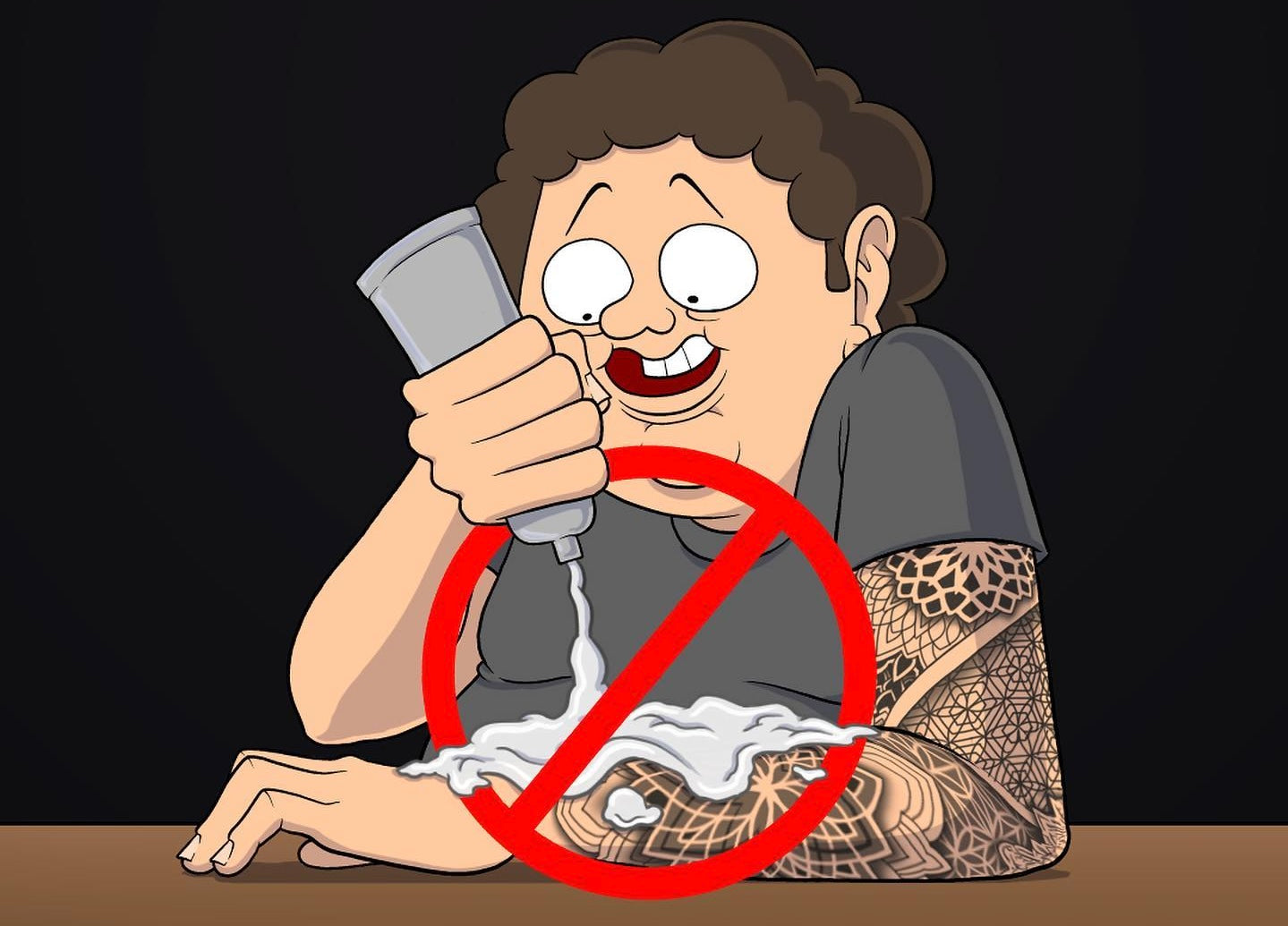
Keep the tattoo clean and dry. Wash your hands before touching it. Clean it gently when needed and let it dry completely. Under the standard Ink Society protocol, do not apply cream, oil, balm or lotion during this initial period unless your artist has instructed you differently.
From day 4
Continue gentle cleaning. Once the tattoo is completely dry, apply a very thin layer of the fragrance free aftercare product recommended by your tattoo artist. The skin should not remain heavily coated, greasy or wet.
Until the tattoo is healed
Avoid soaking, swimming, saunas, scratching, picking, direct sunlight, dirty clothing and unnecessary friction. Keep bedding, towels and anything touching the tattoo clean.
The absorbent tattoo dressing used at Ink Society
At Ink Society Collective, a fresh tattoo may be protected with a specialist absorbent tattoo dressing. It is not ordinary household cling film and it is not the same as an adhesive second skin.
The soft absorbent layer is designed to collect plasma, small amounts of blood and excess ink released during the first hours. It also creates a temporary physical barrier between the fresh tattoo, clothing and external surfaces while the client travels home.
The dressing helps manage moisture and reduce unnecessary contact. It does not make the skin sterile and should not be described as guaranteeing that a tattoo is free from bacteria.
How long should the dressing stay on?
Keep it in place for the period specified by your artist. Removal time can vary with the tattoo’s size, location, saturation and the amount of fluid produced. Replace professional advice with neither a fixed rule from social media nor instructions intended for a different type of dressing.
What to do when you remove the dressing
- Prepare a clean area and wash your hands thoroughly with soap and water.
- Remove the absorbent dressing carefully.
- Use lukewarm water and a small amount of mild, fragrance free soap.
- Clean the tattoo gently using only your fingertips. Do not scrub.
- Rinse away remaining plasma, blood and ink residue.
- Pat the area dry using clean disposable paper towel.
- Allow the tattoo to finish air drying and breathe.
Do not use a sponge, flannel, exfoliating glove, brush or shared towel. Do not reapply the used dressing. Do not improvise a new dressing with household materials unless your artist has specifically instructed you to cover the area again.
Days 1 to 3: keep the tattoo clean and dry
During the first three days, the standard Ink Society protocol focuses on hygiene and controlled dryness. This means cleaning the tattoo properly, removing fluid and residue, drying it carefully and avoiding unnecessary products.
[ISC_MEDIA:image-01]
“Keep it dry” does not mean leaving the tattoo dirty or allowing dried plasma and sweat to build up. It means avoiding prolonged moisture, heavy products and repeated occlusion while keeping the surface clean.
Why does Ink Society avoid cream during the first three days?
This is Ink Society Collective’s established studio protocol rather than a universal rule for every tattoo. Published aftercare instructions vary considerably, and some professional or medical protocols introduce moisturiser earlier. Our method prioritises clean hands, gentle washing, thorough drying and minimal product during the initial stage. Your artist may adapt the advice where the placement, dressing or skin response requires it.
How to wash a new tattoo
Wash your own hands first. Use lukewarm water and a mild fragrance free soap. Move your fingertips gently across the tattoo without rubbing aggressively. Rinse completely and pat dry.
[ISC_MEDIA:image-02]
A product being described as natural does not automatically make it suitable for freshly tattooed skin. Fragrance, botanical extracts and other common ingredients can cause irritation or contact allergy in some people. A study that reviewed 84 tattoo aftercare products found that fragrance and botanical ingredients were among the most common potential allergens.
How often should you wash a new tattoo?
For many tattoos, gentle cleaning around twice daily is sufficient, but frequency should respond to what has actually happened. Clean the tattoo after significant sweating, accidental dirt exposure, contact with an unclean surface or another event that may contaminate it.
More washing is not automatically better. Constant washing, long showers, scrubbing and repeated cleanser use can irritate healing skin.
Clean hands, towels, clothes and bedding matter
Hygiene is one of the most important parts of tattoo aftercare. Anything repeatedly touching the tattoo can transfer dirt, moisture, hair or microorganisms.
[ISC_MEDIA:image-03]
Pay particular attention to:
- Your hands and fingernails
- Disposable paper towel used for drying
- Clean, loose clothing
- Fresh bedding and pillowcases
- Work surfaces and protective equipment
- Shared gym equipment
- Pet hair, paws and saliva
A freshly washed personal towel is safer than a dirty or shared towel, but clean disposable paper towel is usually the simplest option for drying during early healing. Never rub the area.
Can pets sleep against a new tattoo?
Do not allow a pet to lick, scratch or lie directly against the tattoo. Keep bedding clean and use loose clothing as a practical barrier where suitable. Do not repeatedly wrap the tattoo in plastic simply to protect it from a pet.
From day 4: begin using the recommended aftercare product
After the first three days, clients following the Ink Society protocol can begin applying the product recommended by their artist. Wash and dry the tattoo first. Apply a very thin layer with clean hands.
[ISC_MEDIA:image-04]
More cream does not mean faster healing. The tattoo should not look heavily coated or remain wet beneath a thick layer. Dermatology guidance for tattooed skin generally favours fragrance free, water based lotion or cream when the skin feels dry. Avoid experimenting with strongly perfumed products, essential oils, homemade mixtures or active skincare ingredients.
Can you use petroleum jelly on a new tattoo?
Do not apply a heavy layer of petroleum jelly unless your tattoo artist or a healthcare professional has specifically advised it. For routine care, the American Academy of Dermatology recommends water based lotion or cream for tattooed skin that feels dry and notes that petroleum based products may affect the appearance of the ink.
Can you shower after getting a tattoo?
Yes. A short shower is different from soaking. Once the initial dressing has been removed according to your artist’s instructions, you can normally shower using lukewarm water.
Avoid a powerful jet directly on the tattoo, very hot water, long steamy showers, exfoliating gloves and perfumed shower products sitting on the area. Rinse away shampoo or conditioner and pat the tattoo dry afterwards.
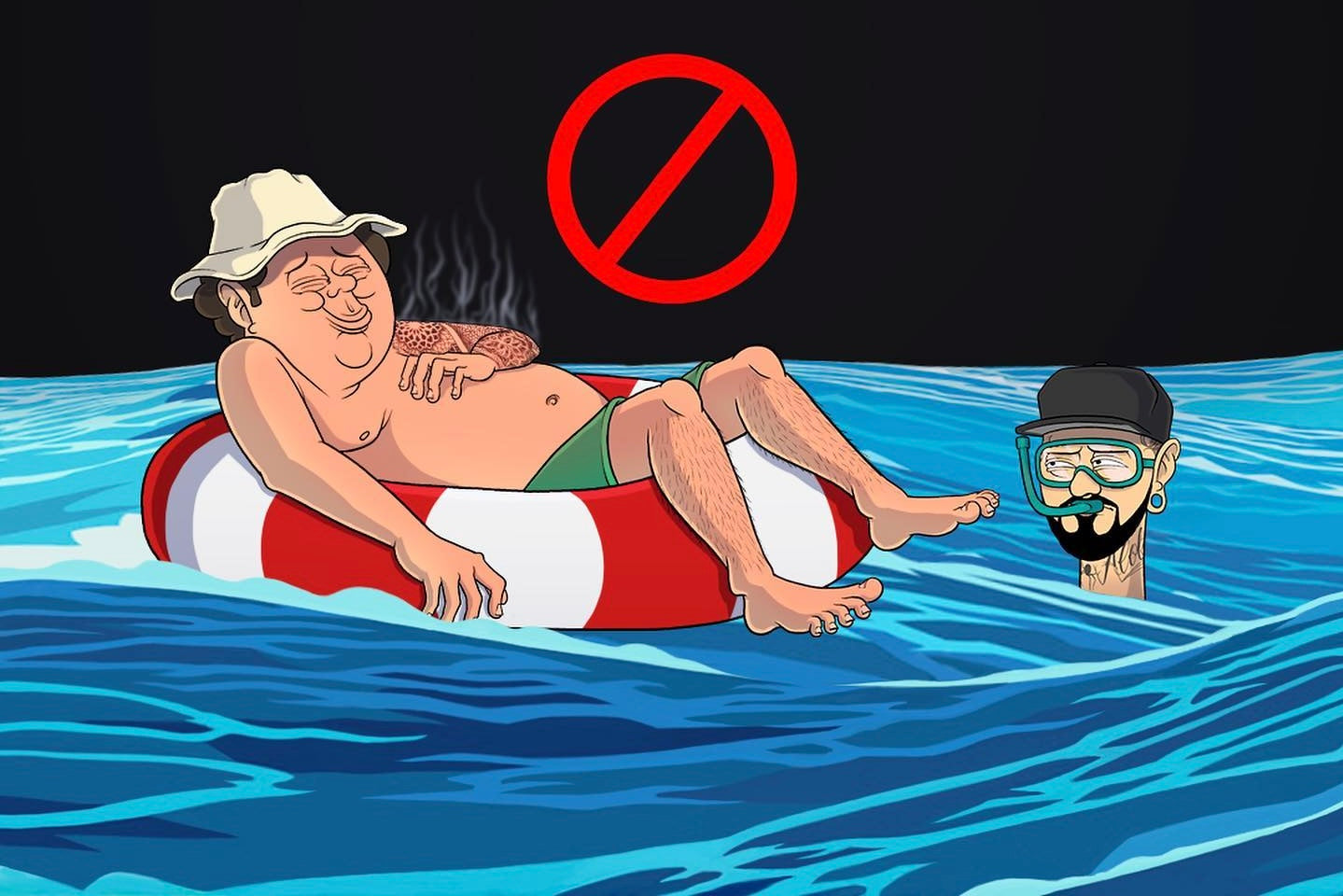
Do not swim, soak or use a sauna
Do not submerge a healing tattoo in a swimming pool, hot tub, bath, lake, river or the sea. Avoid saunas and steam rooms until the surface has fully healed.
[ISC_MEDIA:image-05]
Prolonged moisture softens healing skin and scabs. Pools and hot tubs also add chemical and microbial exposure, while natural water is not sterile. Wait until there is no open skin, weeping, active peeling or scabbing.
Exercise, sweat and friction
Whether you can exercise depends on the tattoo’s placement, size and the movement involved. A small upper arm tattoo is not affected in the same way as a large knee, elbow, torso or full back tattoo.
Exercise can create sweat, friction, stretching, pressure from clothing and contact with shared surfaces. Avoid training that repeatedly pulls, compresses or rubs the area. Never place a fresh tattoo directly against a shared gym bench or mat.
What clothing should you wear?
Choose clean, loose and breathable clothing. Avoid tight waistbands, rough seams, compression garments or fabric that sticks to the tattoo.
If clothing or bedding becomes stuck, do not pull it away. Wet the fabric gently with lukewarm water and allow it to release gradually.
Peeling, itching and scabs
Light peeling, dryness and itching are common during normal healing. The tattoo can temporarily look dull, cloudy, shiny or uneven while the surface layers change.
[ISC_MEDIA:image-06]
Do not scratch, pull flakes or pick scabs. Doing so can reopen the skin, cause bleeding, introduce contamination, disturb pigment and increase the risk of scarring.
Thick wet crusting, a bad smell, pus or symptoms that become progressively worse should not be dismissed as normal scabbing.
Sleeping with a new tattoo
Use clean bedding and try to avoid prolonged pressure on the tattoo during the first nights. Wear clean, loose clothing where it helps prevent direct contact. Keep pets away from the area.
Do not rewrap the tattoo every night unless your artist specifically tells you to do so. If the tattoo sticks to bedding, wet the fabric carefully rather than pulling it away.
Sunlight and sunscreen
Keep a fresh tattoo away from direct sunlight while it is healing. Use shade and clean, loose clothing as physical protection. Do not put sunscreen onto open, weeping or actively peeling skin unless a qualified healthcare professional has advised it.
After the tattoo has fully healed, use a broad spectrum, water resistant sunscreen with SPF 30 or higher. Ultraviolet exposure can fade tattoo pigments over time, and tanning beds also increase skin cancer risk.
Hydration and nutrition during tattoo healing
There is no evidence based list requiring every tattooed person to avoid pork, eggs, seafood, chocolate or other individual foods. Avoid a food only when you have an allergy, intolerance, medical restriction or another genuine reason.
[ISC_MEDIA:image-07]
Instead, support normal recovery with a sensible routine:
- Drink an appropriate amount of water across the day
- Eat regular, balanced meals
- Consume adequate protein
- Include a varied range of fruit and vegetables
- Avoid excessive alcohol
- Avoid extreme dieting or prolonged fasting
- Prioritise adequate sleep
Hydration and nutrition do not replace tattoo hygiene, and no particular food guarantees faster healing. They help the body maintain the normal conditions needed for skin repair.
How long does a tattoo take to heal?
The visible surface often settles over approximately two to four weeks, but deeper recovery can continue for longer. Healing time is affected by size, placement, saturation, skin type, friction, general health and whether irritation or complications occur.
[ISC_MEDIA:image-08]
A tattoo can look healed before the deeper skin has fully recovered. Continue sensible sun protection and avoid aggressive exfoliation until the skin feels normal again.
What is normal after a tattoo?
During early healing, some mild redness, warmth, tenderness, swelling, clear fluid, small amounts of ink residue, dryness, itching and light peeling can occur. These symptoms should generally improve rather than become progressively worse.
Possible signs of tattoo infection
Contact a GP, dermatologist, urgent care service or another qualified healthcare professional if you notice:
- Redness that becomes darker, spreads or does not begin settling
- Pain, swelling or heat that becomes worse instead of better
- Yellow or green discharge, pus or a foul smell
- Open sores or rapidly worsening skin damage
- Fever, chills or feeling systemically unwell
- Red lines extending away from the tattoo
Do not treat a suspected infection with leftover antibiotics, harsh disinfectants or random online remedies. The American Academy of Dermatology advises prompt medical assessment when signs of infection appear. NHS guidance similarly recommends urgent assessment when significant redness, swelling or fever develops.
Allergic reaction or irritation
A reaction can appear immediately or much later. Possible signs include a persistent rash, intense itching, blisters, raised or scaly areas, swelling or symptoms concentrated in a particular pigment colour.
Get urgent medical help if a reaction is accompanied by difficulty breathing, chest tightness, dizziness, widespread hives, severe swelling or serious pain.
When should you contact your tattoo artist?
Contact your artist when you need clarification about the dressing, cleaning routine, recommended product, normal peeling, accidental scratching or a healed area that may need assessment.
Your tattoo artist can evaluate the visual healing and the tattoo result. They should not replace a healthcare professional when infection, a significant allergic reaction or another medical complication is suspected.
New tattoo aftercare checklist
Days 1 to 3
- Wash your hands before touching the tattoo
- Clean gently with lukewarm water and mild fragrance free soap
- Pat dry with clean disposable paper towel
- Allow the tattoo to breathe
- Do not apply cream, oil or lotion under the standard Ink Society protocol
- Avoid friction, soaking, direct sunlight and dirty surfaces
From day 4
- Continue gentle cleaning
- Dry the tattoo completely
- Apply a very thin layer of the recommended fragrance free product
- Do not over moisturise
- Continue avoiding swimming, scratching, picking and direct sunlight
After the tattoo has healed
- Moisturise when the skin feels dry
- Use broad spectrum SPF 30 or higher when exposed to sunlight
- Avoid tanning the tattoo
- Contact your artist if part of the healed result needs assessment
Frequently asked questions about tattoo aftercare
Should a new tattoo be kept wet or dry?
Keep it clean and protect it from prolonged moisture. Under the standard Ink Society protocol, the tattoo remains clean, dry and product free for the first three days. From day four, apply a very thin layer of the recommended product.
Can I put cream on my tattoo immediately?
Not under the standard Ink Society protocol. We normally begin the recommended aftercare product after the first three days. Follow the instructions given for your tattoo because other artists, dressings and medical circumstances may use a different approach.
Can I wash my tattoo on the first day?
Yes, after the initial dressing has been removed at the time instructed by your artist. Wash your hands first and clean the tattoo gently with lukewarm water and mild fragrance free soap.
Can I wash a tattoo too much?
Yes. Repeated washing, scrubbing, prolonged water exposure and excessive cleanser can irritate healing skin. Clean it properly without treating it aggressively.
Can I use antibacterial soap?
A mild fragrance free soap is generally sufficient. Strong antiseptic or antibacterial products can irritate sensitive skin and should not be introduced unless specifically recommended.
Can I use coconut oil on a new tattoo?
Do not experiment with oils on freshly tattooed skin. Use the fragrance free product recommended by your artist at the stage they advise.
When can I return to the gym?
There is no single answer. Consider the tattoo’s size and location, the movement involved, sweat, friction and contact with shared equipment. Avoid any activity that repeatedly stretches, compresses or rubs the fresh tattoo.
When can I swim after a tattoo?
Wait until the tattoo is fully healed, with no open skin, weeping, active peeling or scabbing.
Can I shave over a new tattoo?
No. Wait until the skin is completely healed. Shaving over irritated, peeling or scabbed skin can reopen it.
Should I cover my tattoo at night?
Do not repeatedly rewrap it unless instructed by your artist. Use clean bedding, clean loose clothing where appropriate and avoid sleeping directly on the tattoo.
Is redness normal after a tattoo?
Mild early redness can be normal. Redness that spreads, darkens, becomes hotter, increasingly painful or is accompanied by fever or pus needs medical assessment.
Final advice
Successful tattoo healing is built on simple habits: clean hands, gentle washing, careful drying, a clean environment and patience. Avoid unnecessary products during the first three days under the Ink Society protocol. From day four, use only a thin layer of the recommended aftercare product.
Do not soak, scratch or expose the tattoo to direct sunlight. Pay attention to symptoms that become worse rather than better, and seek medical help when the warning signs suggest more than normal healing.
[ISC_MEDIA:image-09]
Planning another tattoo? Explore Ink Society Collective Dublin or contact the studio so we can help match your project with the right artist.
Sources and editorial note
This guide combines the standard Ink Society Collective aftercare protocol with information from recognised dermatology, clinical and research sources. Tattoo aftercare research remains less standardised than many clients assume, so the article clearly identifies studio specific instructions and avoids presenting them as universal medical rules.
- American Academy of Dermatology: Caring for tattooed skin
- American Academy of Dermatology: Tattoo skin reactions and warning signs
- Liszewski and colleagues: Analysis of 700 tattoo aftercare instructions
- Liou and colleagues: Allergenic ingredients in tattoo aftercare products
- University College London Hospitals: Tattoo risks and when to seek medical advice
Illustration credits
Original characters and illustrations by Victor Tattoo (@vtrtatoo13). Editorial adaptation by Ink Society Collective.
Last reviewed: July 2026